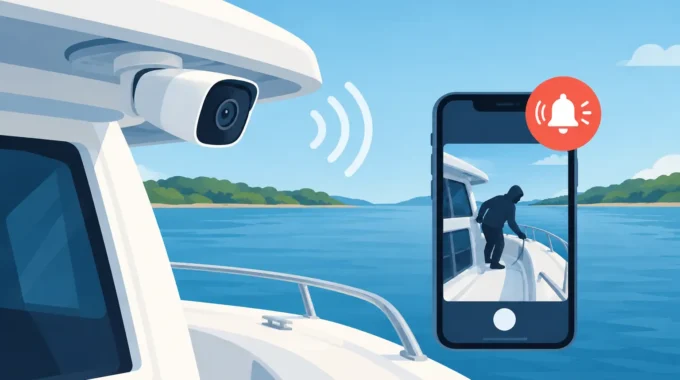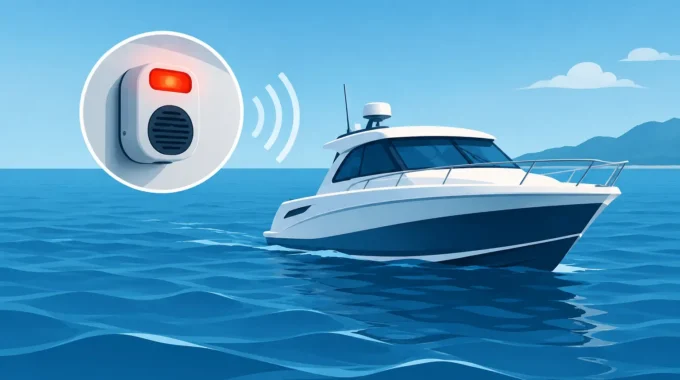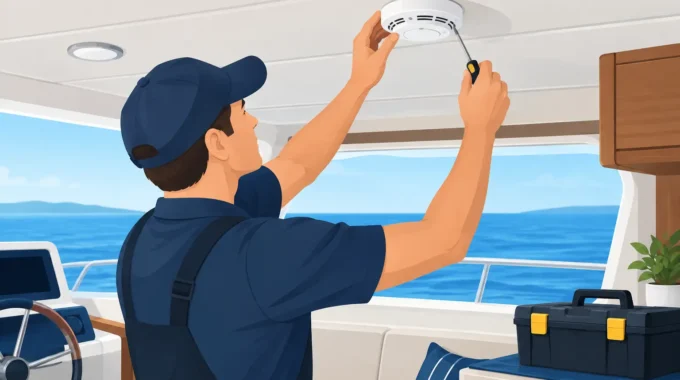
Learn how to set camera alarm snapshots on your boat, so a bilge, power, fire or security alert arrives with visual proof you can act on fast remotely.
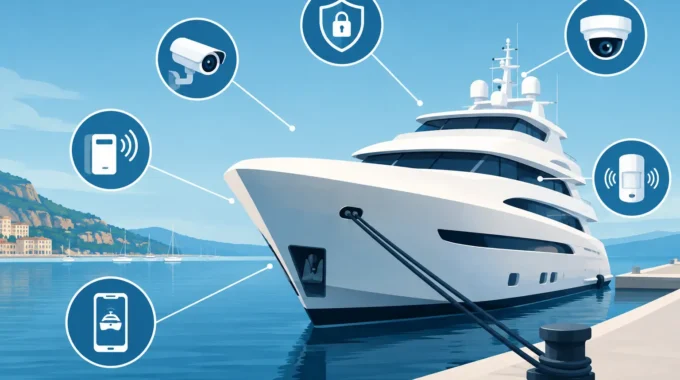
Yacht Security Upgrades That Stop Costly Damage
A yacht can look perfectly secure at the berth right up until a failed hose clamp, flat battery or unwanted visitor proves otherwise. Effective yacht security upgrades do more than make theft harder – they give you immediate warning of the faults that can sink, damage or strand an unattended vessel while you are hours away.
For owners who leave their yacht in a marina, on a swing mooring or at anchor, the question is not whether something can go wrong. It is how quickly you will know, and whether you can act before a minor fault turns into a salvage bill, insurance claim or ruined season.
Start with the risks that cause real damage
Security is often treated as a lock, an alarm siren and perhaps a camera at the companionway. That may deter an opportunist, but it does not protect the vessel from the incidents owners most often fear when nobody is aboard: flooding, shore-power failure, battery discharge, fire, a failed bilge pump or the yacht breaking free.
A yacht is particularly exposed because its essential systems continue operating after you step ashore. Pumps cycle, fridges run, chargers draw power and mooring loads change with wind, tide and wash. A small leak can become dangerous if the bilge pump cannot keep up. A tripped marina breaker can flatten house batteries and leave refrigeration, pumps and monitoring offline. A person forcing entry may be the obvious concern, but it is only one part of the picture.
The right upgrade plan should therefore combine intrusion protection with condition monitoring. You need to know when the vessel is being interfered with, but also when the boat itself is telling you something has failed.
Build yacht security upgrades around early detection
Early detection is where marine-specific monitoring earns its place. A general-purpose home alarm is not designed for salt air, vibration, limited onboard power or the intermittent communications common around marinas and remote anchorages. Yacht systems need protected hardware, sensible sensor placement and a reliable way to reach the people who can respond.
Monitor the bilge, not just the cabin
High-water alarms are among the most valuable additions on any yacht. Place sensors where water will first indicate a problem, rather than relying on the normal bilge-pump float switch alone. A pump may be running constantly because of a leak, a blocked discharge or a failed non-return valve. If it eventually loses power or burns out, the water level can rise rapidly.
A proper monitoring system can report high bilge water and bilge-pump activity separately. That distinction matters. Repeated pump cycles may provide the first warning of a developing leak days before the water reaches an alarm level. For larger yachts, separate zones for engine spaces, accommodation bilges and lazarette areas provide a far clearer picture of where attention is needed.
Protect the power that protects everything else
Flat batteries create a chain reaction. Pumps stop, communications fail, security hardware loses its backup and the engine may not start when needed. Shore-power loss can be just as serious, especially where battery chargers, refrigeration and dehumidifiers depend on marina supply.
Monitor both shore power and battery voltage. A useful setup sends an alarm for a mains failure, then continues to report whether battery voltage is recovering or falling. This lets you distinguish a brief marina outage from a charger problem or a battery bank that is being drained by an unexpected load.
Low power draw is not a minor specification. A monitoring system that consumes too much current can become part of the problem on a yacht left unattended for weeks. Select marine equipment designed to remain active without placing unnecessary load on the house bank.
Add fire and smoke alarms that can reach you
A siren on a closed-up yacht only helps if somebody on the dock hears it and takes responsibility. Fire and smoke detection should be connected to remote alerts so that an alarm reaches you, your marina contact, skipper or maintenance contractor immediately.
Sensor location depends on the yacht’s layout and onboard equipment. Engine compartments, galleys, battery spaces and areas near chargers or inverters deserve particular attention. Smoke detection suits accommodation spaces, while heat detection may be more appropriate where normal fumes or cooking vapour could cause nuisance alarms.
Do not treat nuisance alarms as an acceptable trade-off. Frequent false alerts teach people to ignore the system. Use appropriate sensors, have them installed correctly and test them during normal onboard operation.
Make intrusion alarms visible and verifiable
An intruder alarm should create a problem for the person entering the vessel and provide useful information to the owner. Door, hatch and motion sensors can trigger a siren, lights or a relay output, but remote notification is what turns an alarm into an actionable event.
Camera verification is the practical difference between an alert that creates panic and an alert that provides evidence. When a hatch alarm is triggered, receiving an HD image on your mobile lets you see whether a neighbour has opened the wrong gate, a storm has disturbed a cover or somebody is actually aboard. The same capability is valuable when you request images before heading to the marina.
Cameras should cover the access points that matter most: the cockpit, companionway, boarding gate and, where practical, the pontoon approach. Avoid relying on one camera with a wide view of everything. A camera aimed precisely at the boarding route is more likely to capture a useful face, vessel registration or sequence of events.
Do not overlook mooring and movement alarms
A yacht can be secure inside and still become a hazard if it drags anchor, parts a line or begins moving unexpectedly. Anchor-drag, adrift and excessive pitch-and-roll alerts are particularly valuable for owners who leave vessels on moorings or at anchor during changing weather.
These settings must be tailored to the location. A yacht at anchor will naturally swing, and a vessel in an exposed berth may move with wake. Set thresholds too tightly and you will receive alerts that do not require action. Set them too broadly and the warning may arrive after the yacht has travelled too far. Begin with conservative settings, observe normal vessel movement, then adjust them based on real conditions.
For catamarans, larger yachts and vessels with separated machinery or accommodation areas, one monitoring unit may not cover every zone. Multiple units can be configured to protect distinct spaces, giving clearer alarm locations and better coverage across the vessel.
Choose communications that suit where you cruise
The alarm is only useful if it reaches someone. SMS alerts remain a strong option because they are direct, work on ordinary mobiles and do not rely on a person opening an app at the right moment. Sending alarms to up to five nominated numbers also prevents the dangerous assumption that one owner will always see the message.
An app adds live vessel status, settings and monitoring history, while MMS or camera images provide immediate visual confirmation. Together, these channels make it easier to decide whether to call the marina, ask a nearby friend to inspect the yacht or travel to the vessel yourself.
Coverage is the deciding factor. A 4G system suits many marina and coastal locations, but owners cruising beyond mobile range should consider a Starlink-enabled monitoring option. Global connectivity is not necessary for every yacht, and it adds cost and power considerations. For a vessel that spends extended periods offshore, in remote northern waters or away from reliable mobile service, it can be the difference between receiving an alarm promptly and learning about damage when you return.
Insist on marine-grade installation and compliance
Cheap consumer sensors may look attractive until they meet salt spray, damp lockers and summer heat under a closed cover. Choose hardware with an IP67 rating where exposure demands it, secure cabling against vibration and protect connections from corrosion. The quality of installation is as important as the hardware itself.
Electrical work should respect the vessel’s existing systems and relevant standards. Equipment designed with AS/NZS 3004.2:2014 compliance in mind gives owners and installers a sound basis for fitting monitoring alongside onboard electrical systems. If you are not confident working around DC banks, chargers, relays and alarm circuits, use a preferred marine installer rather than risking a poorly fused or unreliable installation.
Before leaving the yacht, test every critical alarm. Lift the bilge float, isolate shore power, open a protected hatch and confirm the right mobiles receive the correct alerts. Check that camera images arrive and that nominated contacts know what they are expected to do. An alarm plan without a response plan is only half finished.
Prioritise upgrades in the right order
If budget requires staged yacht security upgrades, start with the failures that can cause the greatest loss without warning: high bilge water, battery voltage, shore power and intrusion detection. Add fire and smoke sensing next, then cameras and movement monitoring according to how and where the yacht is kept.
A system such as Trek Transponder brings these functions into one Australian-made, low-current platform, with once-per-second monitoring and direct alarms to nominated mobiles. That matters when a bilge level is rising, a charger has failed or an intruder has just opened a hatch. You need the warning when the event happens, not after a delayed status update.
The best time to fit monitoring is before the next unattended period, not after a neighbour rings to say your yacht is listing at the berth. Set the alerts, nominate people who will answer the phone and test the response while the boat is safe. That small amount of preparation gives you a far better chance of returning to the yacht you left behind.
Related Posts