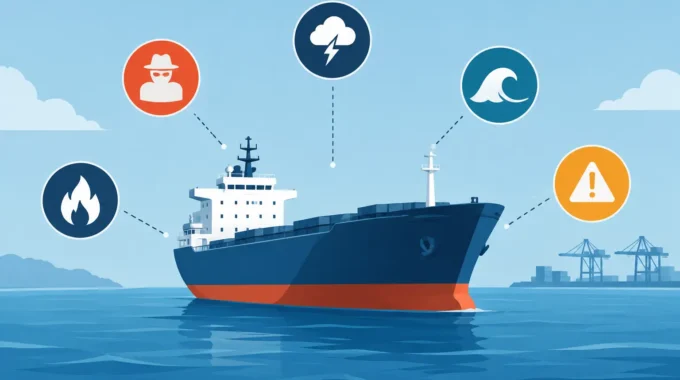
Five risks unattended vessels face can escalate fast. Learn what to monitor remotely to prevent flooding, fire, theft and costly damage at your berth.
4G Boat Alarm System for Unattended Vessels
A boat can take on enough water to become a major insurance claim long before anyone walks the marina finger again. Shore power can trip, a battery can fail, a bilge pump can run dry, or an intruder can board after dark. A 4G boat alarm system puts those events in front of you immediately, on your mobile, while there is still time to act.
For owners of yachts, cruisers, houseboats and commercial vessels, this is not about adding another gadget to the dashboard. It is about knowing what is happening aboard when you are at home, interstate or overseas. The right system watches the risks that damage unattended vessels, then sends a clear alarm to the people who can do something about it.
What a 4G boat alarm system should protect against
A marine alarm needs to do more than sound a siren that nobody can hear across a closed marina. It must detect a problem, communicate independently of the vessel’s onboard equipment and notify you without delay.
Flooding is the first threat most owners think of, and for good reason. A failed hose clamp, leaking stern gland, blocked cockpit drain or failed seacock can turn a routine visit into a recovery operation. A high-water sensor should trigger an immediate alert, rather than waiting for water to reach the cabin sole or damage electrical systems.
Power problems are just as common and often less obvious. Shore-power loss can leave a vessel without battery charging, refrigeration or dehumidification. If the loss continues, batteries can be ruined by deep discharge and food can spoil in the fridge or freezer. A system that monitors shore power, battery voltage and refrigeration gives you the warning needed to arrange a marina check, run a generator or investigate a tripped breaker.
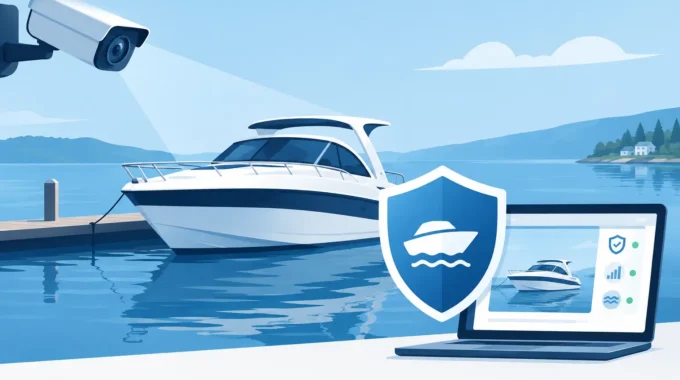
Fire and smoke detection matter because an unattended vessel has no crew to investigate the first smell of burning insulation. Intrusion monitoring is equally practical. A door, hatch or movement alarm can alert you to an unauthorised person aboard, while a camera image helps confirm whether it is a real break and enter, a contractor, or a crew member who forgot to call.
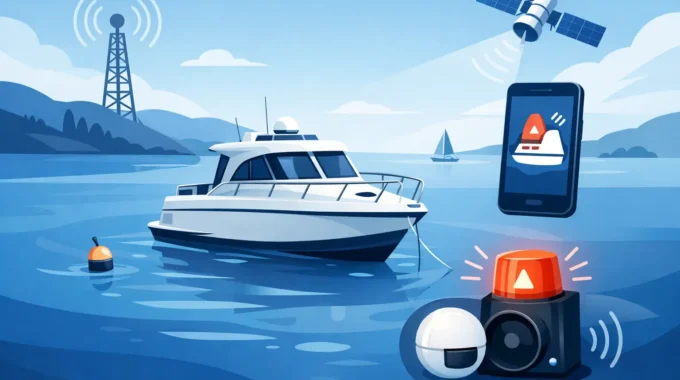
For vessels on a mooring or at anchor, the risk extends beyond the hull itself. Anchor drag, a broken mooring line or a vessel going adrift can create an urgent collision risk. Pitch and roll monitoring can also identify unusual motion in a berth or at anchor, particularly in bad weather. The right response depends on the alarm, but the value is always the same: you know before the damage becomes irreversible.
Why 4G matters when the boat is unattended
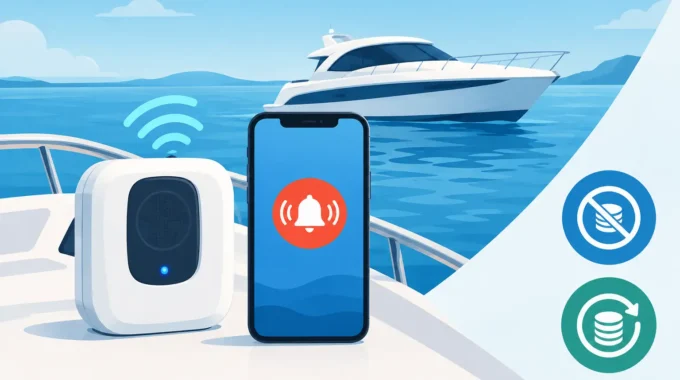
A wired marina alarm has limits. It may rely on local infrastructure, only alert people nearby, or be disconnected by a power failure. A 4G system uses the mobile network to send SMS, MMS images and app notifications directly to nominated contacts.
That direct path matters at 2 am. Instead of discovering an incident when the marina office opens, an owner, skipper, caretaker or fleet manager can receive the alert immediately. Systems that can notify up to five mobile numbers reduce the chance of a critical message being missed. One person may be travelling, asleep, out of coverage or simply unable to reach the vessel quickly. A second and third contact can make the difference.
Images give an alarm context. A high-water alarm tells you there is a problem. A camera view may show whether the boat is sitting low, whether rain is driving through an open hatch, or whether there is someone on board. Owners can also request images when they want reassurance after a storm, a marina outage or an extended period away.
4G is not a substitute for sensible vessel maintenance. It will not replace a properly serviced bilge pump, sound hoses, charged batteries or secure mooring gear. It does, however, turn silent failures into events you can respond to. That is precisely what unattended-vessel protection should do.
The difference between an alarm and vessel monitoring
Many basic alarms are single-purpose devices. They may detect movement or water, but offer no broader view of the vessel’s condition. A proper monitoring system combines multiple sensors, current status and alarm history so you can understand what has changed.
Once-per-second monitoring is especially valuable for fast-moving events. Water level, voltage and motion can change quickly. Regular status reports are useful, but they are not enough if the system only checks conditions every few minutes. When a bilge pump fails or a boat begins moving unexpectedly, seconds matter.
The system should also have a very low current draw. An alarm designed for the marine environment must remain active without becoming another drain on the house bank. This is particularly important for boats left on a swing mooring, vessels stored away from shore power, and classic boats with limited charging capacity.
For larger vessels, monitoring is rarely confined to one location. A catamaran may need separate coverage for each hull. A houseboat may need supervision of several bilge areas, battery banks, doors and machinery spaces. Commercial operators may need standardised alarm coverage across a fleet. Expandable systems allow each vessel to be protected according to its layout and risk profile rather than forcing every boat into the same configuration.
Choose hardware built for marine conditions
The marine environment punishes poorly protected electronics. Salt spray, condensation, vibration, heat and wash-down water can quickly expose the weakness of domestic security products. Look for IP67-rated alarm hardware that is designed to resist dust and temporary immersion, with installation practices suited to vessel wiring and wet areas.
Electrical compliance also deserves attention. Alarm equipment connected to a vessel’s electrical system must be compatible with the installation and installed correctly. Systems aligned with AS/NZS 3004.2:2014 provide additional confidence for Australian boat owners, installers and operators responsible for maintaining safe onboard electrical arrangements.
Ask practical questions before choosing a system. Can it monitor bilge pumps as well as high water? Can it detect shore-power failure and low battery voltage separately? Does it provide camera images on alarm and on request? Can it trigger a local siren, light or relay output to deter intruders or activate another device? Can you add sensors as the vessel’s needs change?
The answers matter more than a long feature list. A small runabout in a locked shed has different exposure from a 50-foot cruiser left in a marina berth for months. A charter fleet needs different notification arrangements from a privately owned yacht. The goal is not maximum complexity. It is reliable warning for the failures most likely to cost you money, time and peace of mind.
Installation should support a fast response
An alarm is only useful when it is installed where it can see the problem and reach the people who need to respond. Bilge sensors need to sit at the right level, not in a position that detects water after damage has begun. Cameras need useful sightlines rather than a view of a bulkhead. Shore-power monitoring needs to distinguish a genuine supply loss from an intentional shutdown.
Plan the notification chain as carefully as the wiring. Add the owner, a nearby family member, a marina contact, a skipper or a trusted contractor where appropriate. Make sure each person understands what an alert means and who will attend the boat. Test the system after installation, then test it again after changing batteries, mobile numbers, berth arrangements or sensor settings.
Trek Transponder systems are built in Australia for this job: continuous marine monitoring, direct SMS and MMS alarms, app-based oversight, HD camera confirmation and low-power operation. For vessels that travel beyond dependable mobile coverage, a Starlink-enabled configuration can provide a practical global communications option.
Do not wait for proof that the boat was unprotected
The expensive incidents usually begin quietly. A charger stops working. A battery voltage drops overnight. A pump cycles too often. Rainwater rises in a neglected bilge. By the time a neighbour notices, the repair bill may include engines, wiring, interiors, electronics and insurance excesses – not just the original failed part.
Fit monitoring before the next long trip away, storm season or extended spell between visits. Set up alerts, nominate the people who can act and check that every critical area aboard is covered. The best time to receive a boat alarm is while the vessel is still safe enough to save.
Related Posts