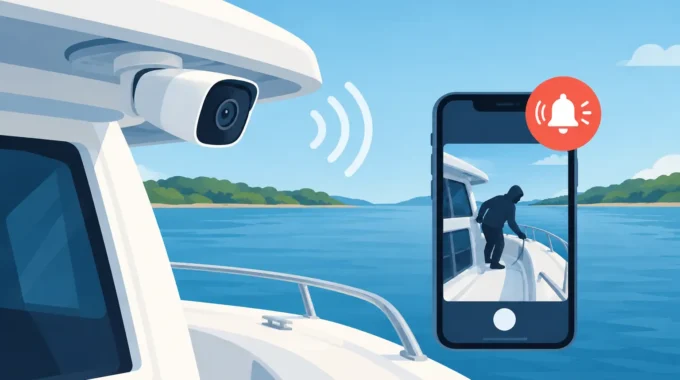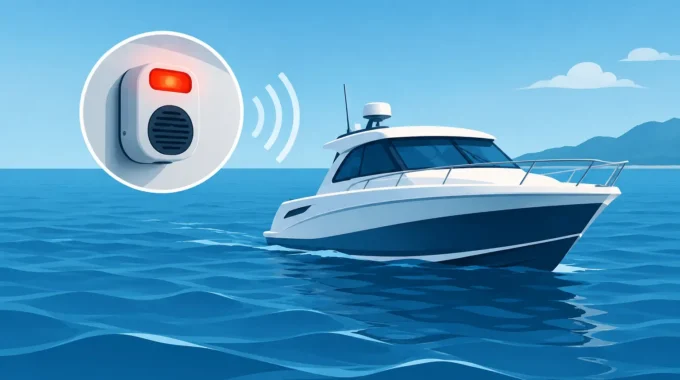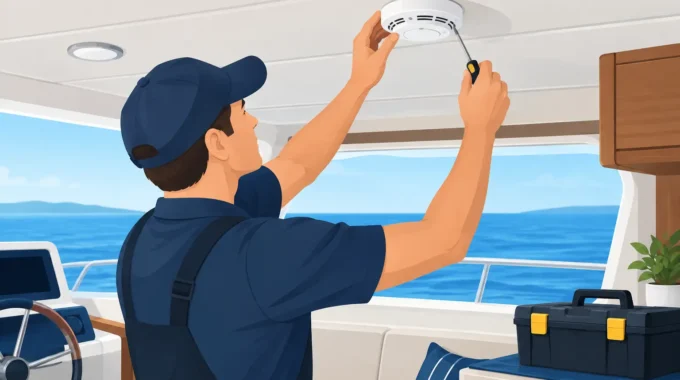
Learn how to set camera alarm snapshots on your boat, so a bilge, power, fire or security alert arrives with visual proof you can act on fast remotely.
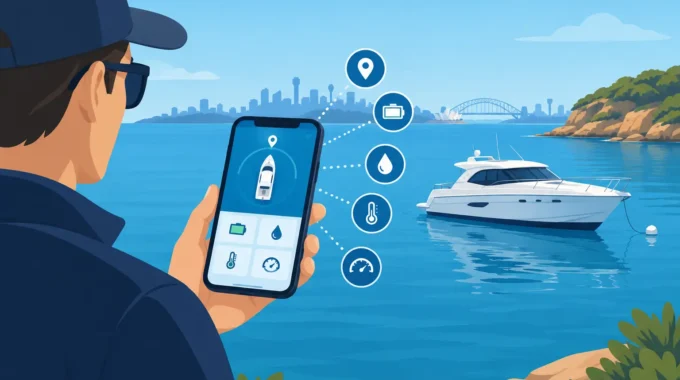
Best Boat Monitoring Apps for Australian Owners
A boat can fill with water, lose shore power or drag its anchor long before the marina manager notices. That is why the best boat monitoring apps are not simply convenient phone dashboards. For owners who leave a yacht, cruiser, houseboat or commercial vessel unattended, the app is only as useful as the alarms, sensors and communications behind it.
A weather app can tell you a blow is coming. A tracking app can show where your vessel was last seen. Neither will necessarily tell you that the bilge pump has run too long, the batteries are flattening, the refrigerator has failed or someone has stepped aboard. Choose monitoring around the incident you need to prevent, not around the prettiest screen.
What the best boat monitoring apps must actually do
The right system gives you a clear answer to one question: what is happening on my vessel right now, and what must I do next? For a vessel sitting on a swing mooring, in a marina berth or at anchor, that answer must arrive quickly and reliably.
An effective boat monitoring app should display current vessel status, alarm history and sensor readings in plain language. It should let you check battery voltage, shore-power state, bilge activity, location and onboard conditions without guessing what a red icon means. Better systems also let you request a camera image, so you can see whether an alarm is a genuine emergency, a loose cover in the wind or a person aboard.
But an app should not be the only alarm path. Mobile data can drop out, notifications can be delayed and an owner may not open an app for hours. Direct SMS or MMS alarms provide another line of defence. A system that can alert multiple mobiles means a partner, marina contact, skipper or fleet manager can act when you are out of range, asleep or offshore yourself.
For Australian owners, coverage matters as much as features. A monitoring app relying only on marina Wi-Fi is a poor choice when the Wi-Fi router fails in the same power outage you need to know about. 4G communications suit many coastal locations, while a Starlink-enabled option is worth considering for remote cruising, offshore operations and vessels that travel beyond dependable mobile coverage.
Boat monitoring apps versus real vessel monitoring
There is a critical difference between an app that reports information and a marine monitoring system that detects danger. The app is the viewing and control layer. The hard work happens aboard the vessel.
A proper system needs purpose-built sensors and marine-rated hardware. It needs to keep operating in heat, salt air, spray and vibration. It needs a low current draw, because a monitoring device that drains the very batteries it is meant to protect is no protection at all.
Look for IP67-rated equipment where exposed installation conditions demand it, and ask how often the system checks each input. A once-per-second monitoring rate can identify a change as it happens. That is very different from a device that wakes occasionally, sends a delayed status report and misses the short window before a problem becomes expensive.
Consider shore-power failure. An app may show that mains power is unavailable, but a useful monitoring setup also lets you establish whether batteries are still being charged, refrigeration is at risk and how long the outage has lasted. For a vessel with food, medication, bait freezers or critical equipment aboard, that distinction matters.
The same applies to bilge alarms. A simple float switch is valuable, but it does not explain why water is entering or whether the pump is keeping up. Monitoring bilge-pump operation, high water level and battery condition together gives a far more useful picture. It helps you respond before the pump runs flat, the water reaches wiring or the boat settles lower in its berth.
The risks your app should help you act on
Start with the failures most likely to hurt your vessel, your insurance position and your peace of mind. There is no single perfect sensor package because a trailer boat in a locked shed has different exposures from a 55-foot yacht on a mooring.
For most unattended vessels, battery condition and shore-power loss are fundamental. A failed charger, tripped pedestal breaker or corroded connection can quietly flatten a bank of batteries. Once voltage falls, bilge pumps, alarms, refrigeration and communications may all be compromised. Your app should show voltage trends, not merely report that a battery is already dead.
Flooding is the next non-negotiable risk. Check that the system can alarm for high bilge water and unusual pump activity. A pump cycling every few minutes may be the first warning of a leaking hose, failed non-return valve or rainwater finding its way below decks.
Security demands more than location tracking. Intrusion detection, door or hatch monitoring, a local siren and triggered HD camera images give you a chance to verify a break and enter quickly. If a camera can also be requested on demand, you can check the vessel after a storm, a marina call or a suspicious alert without driving hours to the berth.
Vessels at anchor or on moorings need geofence, anchor-drag and adrift alerts. For sailing vessels and catamarans, excessive pitch and roll monitoring can add valuable warning during severe conditions. A vessel does not need to travel far before it hits another boat, a jetty, rocks or shallow water. Early notice gives someone a chance to intervene.
Fire and smoke detection, refrigeration alarms and temperature monitoring deserve attention too, particularly for liveaboards, charter vessels, museum craft and commercial fleets. The best configuration is the one that matches the consequences of failure on your particular boat.
Questions to ask before choosing a monitoring app
Do not buy on subscription price alone. A cheap app connected to a limited tracker can become costly the first time it fails to warn you about water, power or intrusion. Ask what the installed system measures, how it sends alarms and what occurs if one communication method is unavailable.
Check whether alerts can go to more than one person. Sending direct alarms to up to five mobile numbers can make the difference between a message being seen and a vessel being left unattended through a critical night. Also ask whether each recipient can receive the type of message they need, such as SMS for urgency and MMS images for visual confirmation.
Ask about installation pathways. Owners with sound electrical knowledge may fit selected equipment themselves, but hardwired alarms, cameras, relays and multiple sensor zones are often best installed by a marine electrician or experienced installer. Poor placement of a bilge sensor, camera or antenna can undermine good equipment.
For larger vessels, ask whether the system can expand. A large catamaran may need separate monitoring in each hull, while a commercial vessel may require several protected zones, multiple cameras and different alarm contacts for operational staff. Expansion should not mean replacing the entire system later.
Finally, check the standard of the electrical design. Compliance with AS/NZS 3004.2:2014 is a meaningful consideration for vessels using low-voltage electrical systems. It signals that the system has been designed with marine electrical safety and installation requirements in mind, rather than adapted from a home-security product.
Avoid the false comfort of a green screen
A normal status screen is useful, but it is not proof that every risk is covered. Confirm how the app indicates a lost sensor, flat backup battery, interrupted communications or power loss to the monitoring unit itself. If the system cannot tell you that it has stopped watching, it creates false confidence.
Test alarms after installation and at regular intervals. Simulate shore-power loss, check camera images in daylight and darkness, verify each nominated mobile receives alerts, and make sure your alarm contacts know where the keys, berth details and isolation switches are located. A monitoring plan only works when the person receiving the alert can take sensible action.
Trek Transponder systems are built for this practical reality, combining Australian-made marine alarm hardware, once-per-second monitoring, 4G SMS and MMS alerts, HD camera evidence and app-based vessel status. For vessels operating beyond mobile coverage, Starlink-enabled monitoring can keep that oversight available much further from shore.
The best boat monitoring app is the one backed by equipment that spots trouble early, reaches the right people and gives them enough information to act. Set it up before the next storm warning, not after the call that your boat is taking on water.
Related Posts