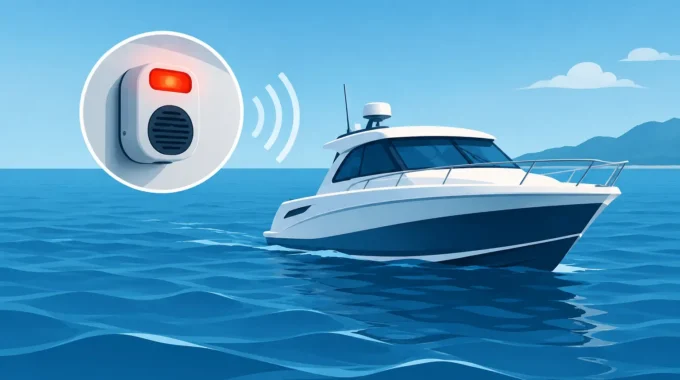
Learn how to set camera alarm snapshots on your boat, so a bilge, power, fire or security alert arrives with visual proof you can act on fast remotely.
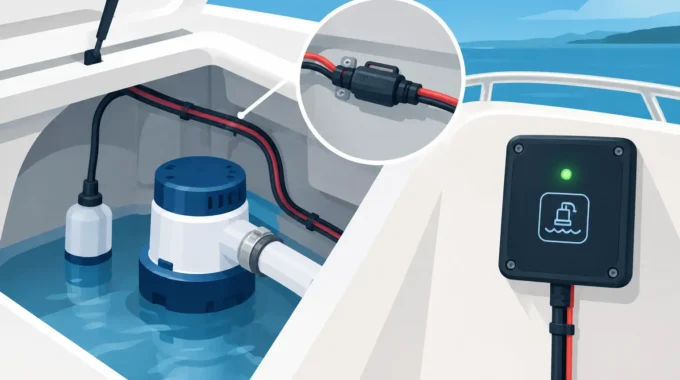
Wire a Bilge Pump Monitor Before It Costs You
A bilge pump is meant to run when water enters the boat. When you wire a bilge pump monitor, you gain a way to know when that ordinary action becomes a warning: the pump has run too long, too often, or not at all while water keeps rising. For a vessel left on a mooring, in a marina berth or on a trailer between trips, that notice can be the difference between a quick call to a neighbour and a flooded engine bay, damaged electrics or a total loss.
The mistake is assuming a float switch and an automatic pump are enough. They are essential, but neither tells you what is happening once you walk away. A failed hose, blocked discharge, flat battery, jammed pump, leaking stern gland or failed float switch can turn a small ingress into an expensive marine disaster. Monitoring gives the bilge system a voice.
What a wire bilge pump monitor should detect
The best arrangement does not rely on one signal alone. A pump-running input tells you the pump has been commanded or has drawn power. A separate high-water sensor tells you whether water has reached a level that demands attention. Together, those inputs help distinguish normal cycling from a genuine emergency.
A pump-run alarm is particularly useful for finding the problem before the bilge reaches a high-water level. If a pump that normally runs for 20 seconds starts operating every few minutes, water is getting in or returning through the discharge line. If it runs continuously, it may be fighting a serious leak, an airlock, a blocked outlet or a split hose.
A high-water alarm is the backstop. It should be installed above the normal automatic float switch, in a position where it detects an abnormal rise early enough to act. If the automatic system fails, the high-water sensor can still send an alarm before water reaches batteries, engines, generators or accommodation spaces.
For an unattended vessel, configure the alarm to reach more than one person. A single mobile left in a meeting, out of coverage or on silent is not a reliable response plan. Trek Transponder systems can send direct alarms to up to five mobile numbers, giving owners, marina staff, family members or fleet managers a clear chance to respond.
Start with the bilge system, not the monitor
Before adding monitoring, inspect the pump installation itself. There is little value in receiving a perfect alert from a system that is poorly fitted or unable to move water.
Check that the pump is mounted securely at the lowest practical point of the bilge, with the intake clear of loose debris. Confirm the discharge hose is correctly supported, free from kinks and routed to minimise the chance of backflow. A blocked discharge fitting or failed non-return arrangement can make a healthy pump look like it is losing the battle.
Pay close attention to the power supply. Bilge pumps need suitably sized marine cable, a correctly rated fuse or circuit breaker, sound terminals and protected connections. Corroded joins and undersized cable create voltage drop. The pump may still spin, but move far less water than it should when the battery voltage is low.
Test both automatic and manual operation with clean water. Watch the float switch turn the pump on and off. Then confirm the discharge actually exits the vessel. Never conduct this test by filling the bilge to a level that risks wetting equipment or electrical wiring.
How to wire a bilge pump monitor correctly
The exact wiring method depends on the monitor and whether it detects voltage, current, a dry contact or a dedicated sensor input. Read the monitor instructions and the pump manufacturer’s wiring diagram before cutting or joining any cable. If you are not confident working on DC marine systems, use a qualified marine electrician or experienced installer.
The monitor must not become the weak point in a critical safety circuit. In most installations, the bilge pump remains independently wired through its correct fuse and float switch. The monitoring system observes pump operation through a separate input, rather than carrying the full pump load.
Monitoring the pump-running circuit
A common approach is to connect a suitable monitor input to the switched positive feed that powers the pump when the float switch closes. When the float switch activates, the monitor sees the voltage and records or reports pump operation.
This works well, but it has a limitation: it confirms the circuit was energised, not necessarily that the pump moved water. A seized pump may still receive voltage. That is why a high-water sensor and, where appropriate, current sensing provide stronger protection.
Some monitors use a current sensor fitted around a pump conductor. This can confirm that the pump is actually drawing current. It is useful where you need to identify a failed motor, but the sensor must suit the expected DC current and be installed exactly as specified. Do not improvise around pump wiring or bypass protection devices to make a sensor fit.
Wiring the high-water alarm separately
Fit the high-water sensor on its own monitored input, above the primary float switch. Keep its wiring supported, labelled and away from moving gear, sharp edges and areas that regularly sit in water. Use marine-grade tinned cable and sealed joins appropriate for the location.
A separate high-water input matters because it can identify several failures at once. If the pump runs repeatedly but water reaches the high-water switch, the pump capacity may be inadequate or discharge water may be returning. If high water is detected but there is no pump-run indication, investigate the float switch, fuse, supply, wiring or pump immediately.
Set alarm rules that mean something
An alarm that triggers every normal pump cycle will soon be ignored. An alarm that waits until water is at cabin-sole height is equally useless. Set practical rules based on your vessel’s normal behaviour.
For many boats, a pump-run alert after an extended continuous run is a sensible first rule. A repeat-cycle alert can identify a slow leak, especially if the boat is normally dry. A high-water alarm should be treated as urgent every time. It is not a maintenance reminder.
Record a baseline after installation. Note how long the pump runs during a normal test, how often it cycles after rain and whether the vessel has known sources of minor water ingress. A yacht in a wet marina berth behaves differently from a dry-stored trailer boat, and a large cruiser with multiple compartments needs separate coverage for each critical bilge area.
Where the monitoring system supports images from onboard cameras, use them. An alarm message tells you what changed; an image can show whether the boat is sitting low, lines are under strain, a compartment is visibly wet or a person is aboard. Visual confirmation helps you decide whether to call a marina manager, send someone to the vessel or arrange emergency assistance.
Do not forget the battery that powers the pump
A bilge alarm cannot save a vessel if the pump battery is flat and no one knows. Monitor battery voltage and shore power at the same time as bilge activity. Shore-power loss can stop the charger, refrigeration and dehumidification long before the service bank is exhausted. A battery-voltage alarm gives you time to investigate before the automatic pump is needed.
Low-power monitoring hardware is particularly valuable on moored vessels, where every milliamp matters. Choose equipment designed for the marine environment, with protected enclosures and connections that can withstand moisture, vibration and salt air. For permanently installed AC and DC electrical work, ensure the installation is designed and completed in line with applicable marine electrical requirements, including AS/NZS 3004.2:2014 where relevant.
Test the alarm when you can still fix it
Do not install a monitor, receive one test message and assume the job is done. Test the automatic float switch, high-water sensor, pump-run input and alarm delivery at regular intervals. Confirm the right people still receive alerts and that their mobile numbers are current. If your boat changes berth, communications provider or battery arrangement, test again.
A useful test includes timing the alert. Once-per-second monitoring can identify a change quickly, but the entire chain matters: sensor activation, controller response, mobile network delivery and a person who can act. Make sure at least one alarm recipient knows the vessel location, access arrangements and who to call after hours.
A bilge pump monitor is not a substitute for sound maintenance, proper seacocks, clean bilges and regular onboard inspections. It is the early warning that gives those precautions a fighting chance when you are not there. Wire it properly, test it under real conditions and treat every high-water alert as the expensive warning it is.
Related Posts