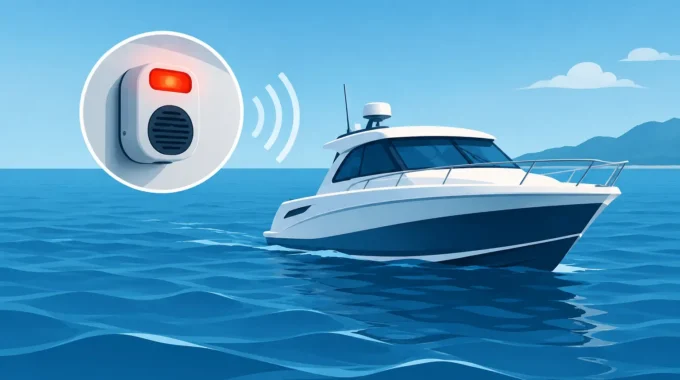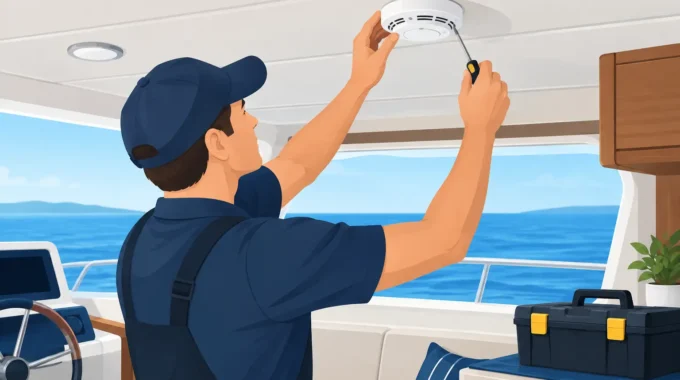
Learn how to set camera alarm snapshots on your boat, so a bilge, power, fire or security alert arrives with visual proof you can act on fast remotely.
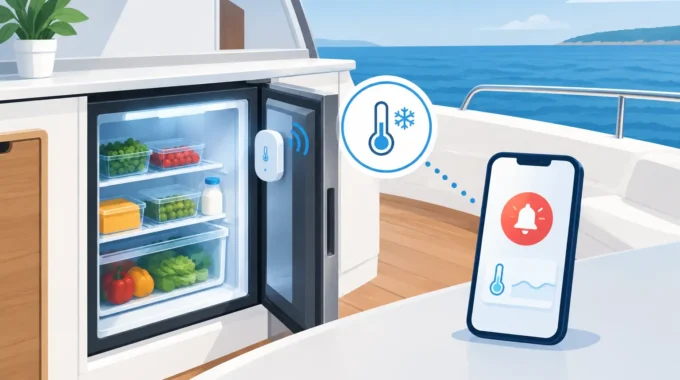
Boat Fridge Temperature Monitoring Alert Systems
A fridge can look perfectly normal from the dock while everything inside it is warming towards spoilage. Shore power may have tripped, a breaker may have opened, a compressor may have stopped or a fridge door may not have sealed. A boat fridge temperature monitoring alert gives you the chance to act before an unattended vessel becomes a costly clean-up job.
For owners who leave a yacht, cruiser, houseboat or commercial vessel at a marina for days or weeks, refrigeration is not a convenience issue. It can mean ruined provisions, lost charter stock, spoiled bait, medication at risk and an unpleasant mess that takes far longer to fix than the original fault. The real problem is that refrigeration failures rarely announce themselves until someone physically steps aboard.
Why boat refrigeration failures cause bigger problems
Marine fridges operate in a harsher environment than the fridge at home. They deal with heat, vibration, damp air, battery voltage changes, ageing shore-power leads and limited ventilation around condensers and compressors. A small fault can become serious quickly in an enclosed cabin during an Australian summer.
The fridge itself may still have power but fail to hold temperature. A blocked condenser, weak compressor, refrigerant problem or failed circulation fan can leave a display illuminated while the cabinet warms. Conversely, a healthy fridge may stop because shore power has failed, the marina supply has tripped or the vessel’s battery voltage has dropped below a safe operating level.
That is why a temperature alarm should not be treated as a standalone gadget. It needs to form part of a wider vessel-monitoring plan that identifies the cause as well as the consequence. If a high-temperature alert arrives at the same time as a shore-power-loss or low-battery alert, you have a clear reason to call the marina, a neighbour or your service technician without delay.
What a boat fridge temperature monitoring alert must do
A useful system continuously reads the actual temperature inside the fridge or freezer and sends an alarm when it moves outside the limits you set. It should alert the people who can do something about it, not wait until the next scheduled inspection.
For an unattended vessel, immediate mobile notification matters. SMS alarms are particularly valuable because they do not rely on you opening an app at the right time. App-based monitoring adds another level of oversight by allowing you to check current conditions and review the status of connected alarms when you are away from the boat.
Trek Transponder systems monitor critical conditions once per second and can send direct alarm notifications to up to five mobile numbers. That matters when the owner is interstate, offshore or simply unable to get to the marina. A trusted berth-holder, manager, crew member or family member can receive the same warning and take action.
The alarm threshold needs to suit what is stored. A drinks fridge can tolerate a different range from a freezer holding bait, while a vessel carrying temperature-sensitive supplies may need a much tighter limit. Avoid setting the trigger point too close to normal cycling temperatures, or nuisance alarms will train people to ignore a real warning. Set a practical upper limit, allow for normal door openings when the vessel is in use, and use a delay where appropriate so a brief temperature rise does not create an unnecessary call-out.
Put the sensor where it measures the risk
Sensor position affects whether the reading is useful. Do not place it directly beside the evaporator plate, against a cabinet wall or in the path of a cooling fan. Those locations can show a colder or more variable reading than the food and stock you are trying to protect.
Place the sensor in the main storage area, ideally where it reflects the average temperature of the cabinet. For a freezer, keep it clear of surfaces that may ice up and interfere with the reading. If your vessel has separate fridge and freezer compartments, monitor both. A single sensor cannot confirm that two independently cooled spaces are safe.
Large vessels with multiple fridges, walk-in cold storage or separate galley, crew and flybridge units need separate monitored zones. The cost of another sensor is minor compared with losing a full load of provisions or discovering a fault after a charter turnaround.
Check the power fault, not just the temperature
A rising fridge temperature is often the last visible symptom. The first failure may have occurred hours earlier. Monitoring shore power, AC supply status and vessel batteries alongside refrigeration provides a much earlier warning path.
Consider a common marina scenario: shore power disconnects overnight after a pedestal breaker trips. The battery charger stops, batteries begin to discharge under onboard loads, and refrigeration eventually shuts down or becomes inefficient. A shore-power alert lets you respond before the fridge reaches an unsafe temperature. A battery alert tells you whether the situation is becoming a wider electrical risk.
This combined approach also avoids false assumptions. If the fridge temperature rises while shore power and batteries remain normal, the refrigeration system itself needs attention. If power is lost at the same time, restore the supply first and then confirm the fridge has pulled down to its normal temperature.
For vessels in remote anchorages or areas with unreliable mobile coverage, communications deserve the same planning. A 4G alarm system is highly effective where mobile service is available. For owners who travel beyond normal coverage, a Starlink-enabled monitoring option can maintain visibility much farther from the marina. The right choice depends on where the vessel is kept and where it operates.
Build a response plan before the alarm arrives
An alert only protects the vessel if someone knows what to do next. Record the fridge’s normal operating range, the alarm threshold, the location of the relevant breakers and who has authority to board the vessel. If you keep high-value food, bait, stock or medical items on board, nominate a person who can inspect the fridge promptly.
When a high-temperature alarm arrives, first check for related shore-power, battery or electrical alerts. Then contact the person closest to the vessel. If a camera covers the galley or electrical panel, an on-demand or alarm-triggered image can help confirm whether lights are out, a door is open or there are other signs of trouble before anyone travels to the marina.
Once on board, the response should be practical: confirm the door is shut, check the breaker and shore-power connection, inspect for compressor operation and assess the temperature of the contents. Do not repeatedly open the door while diagnosing the problem. Every opening lets more warm air in and speeds up the loss.
If power is available but cooling has failed, move vulnerable contents to another fridge or freezer if possible and arrange refrigeration service. If the fault follows a battery issue, do not assume the battery will recover on its own. Find out why charging stopped, particularly if bilge pumps, security systems or other essential loads depend on the same bank.
Choose marine equipment that stays on watch
A fridge alert is only as dependable as the hardware and installation behind it. Marine monitoring equipment needs to tolerate damp compartments, vibration and long periods without attention. Look for properly protected hardware, low current draw and a system designed specifically for vessel conditions rather than a domestic smart-home device adapted for the boat.
Installation also matters. Cabling should be secure, sensor leads protected from damage and connections kept clear of condensation and wash-down areas. On larger yachts, catamarans and commercial vessels, multiple monitoring units may be needed to cover distant fridges, freezers, electrical boards and machinery spaces. A professional installer can map the vessel properly rather than leaving critical areas unmonitored.
Do not wait until you return to a warm fridge, spoiled stores and a fault that has spread into batteries or shore-power equipment. Set the temperature limits, test the alarm while you are aboard and make sure the people receiving notifications know exactly what they are expected to do. The best time to find out your fridge monitor works is during a planned test, not halfway through a summer weekend away.
Related Posts