Unattended boat safety protects your vessel from flooding, fire, theft and power loss with immediate mobile alerts you can act on before damage escalates.
Why Do Boats Sink? Causes You Can Prevent
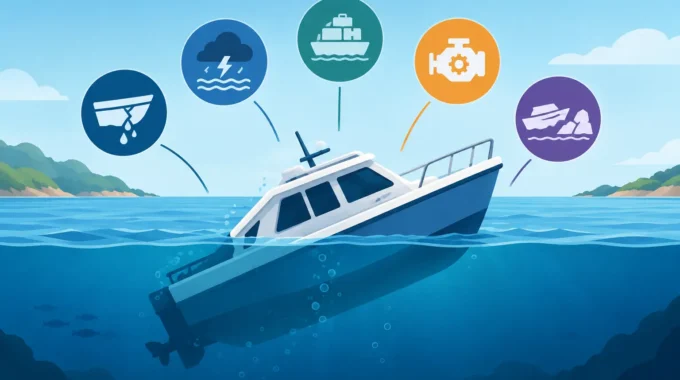
A boat rarely sinks because of one dramatic event. More often, it is a chain of small failures that begins while nobody is aboard: a hose clamp loosens, rainwater finds a failed seal, a battery goes flat, then the bilge pump stops. By the time an owner reaches the marina, the vessel may be sitting low, flooded, damaged or gone. That is why do boats sink is not simply a question for new boaters. It is a question every owner of an unattended vessel needs to answer.
Why do boats sink while unattended?
A floating vessel is constantly managing water. Water outside the hull is held back by structure, fittings and seals. Water that enters the boat must be contained, drained or pumped overboard. When any part of that system fails, buoyancy can be lost surprisingly quickly.
The danger is greatest when a boat is at a berth, on a mooring or at anchor for days or weeks. There is no one onboard to hear a pump cycling too often, notice a flat battery, smell smoke or see that the waterline has changed. A problem that would take five minutes to fix during a weekend aboard can become a total-loss insurance claim overnight.
Not every ingress leads to a sinking. A small amount of rainwater in a cockpit may be harmless if drains are clear and the bilge system is healthy. But it depends on the vessel, where the water is collecting, pump capacity, battery condition and whether the leak continues. Owners need early warning, not assumptions.
The common causes of a boat sinking
Through-hull fittings, hoses and clamps fail
Every opening below the waterline deserves respect. Through-hulls, seacocks, intake hoses, toilet plumbing, shaft seals and transducers all create potential paths for water to enter. A corroded clamp, perished hose or seized seacock can turn a routine fitting into a serious leak.
Saltwater corrosion is relentless in Australian marinas. A component can look acceptable from above while deterioration is hidden behind a hose or below a fitting. If a hose comes off a failed through-hull, the inflow may exceed the bilge pump’s capacity. If the pump cannot keep up, the boat settles lower, allowing water into additional openings and accelerating the loss.
Regular inspection matters, but inspection alone cannot protect a boat between visits. A high-water alarm provides the warning that turns an unseen leak into an urgent call-out.
Failed bilge pumps and flat batteries
A bilge pump is not a substitute for a watertight boat. It is the last line of defence when water enters. That line is only useful if the pump, float switch, wiring, fuse, discharge hose and battery are all working when needed.
Pump failures are common because the bilge is a harsh environment. Debris can jam a float switch. A discharge line can block or split. Wiring connections can corrode. The pump may cycle repeatedly against a continuing leak until the battery is exhausted.
A shore-power failure can make the situation worse. If the charger stops, house batteries can fall below the level needed to run a pump. On some vessels, refrigerators, lights, electronics or an unnoticed load hasten the discharge. Monitoring battery voltage, shore power and bilge-pump activity gives owners a chance to respond before the pump is left with no power.
Rainwater enters through decks, hatches and cockpits
Heavy rain does not need a hole below the waterline to sink a boat. Blocked cockpit drains, cracked hatch seals, open ports, leaking deck fittings and failed canvas can allow a large volume of freshwater inside. A boat with poor cockpit drainage can collect tonnes of water high in the vessel, affecting stability as well as flooding accommodation spaces.
This risk is particularly relevant during summer storms and prolonged east-coast rain events. Leaves, bird nests and marina rubbish can block a drain quickly. Check scuppers and drains before leaving the boat, but do not assume they will remain clear after a storm blows through.
Collision, grounding and storm damage
A collision with another vessel, a pontoon or submerged debris can breach a hull, damage a rudder tube or crack a fitting. Grounding can cause damage that is not visible from inside the boat. Even a minor impact deserves investigation if a new bilge-pump cycle pattern appears afterwards.
Storms create their own set of failures. Strong wind can chafe mooring lines, drag an anchor, push a vessel against a hard structure or force water through vents and openings. Excessive pitch and roll can disturb gear, strain fittings and indicate that a boat has broken free or is in dangerous conditions. The boat may not sink at the instant a storm arrives. It may sink hours later after a damaged hose, flattened battery or breached fitting goes unnoticed.
Fire can lead to flooding too
Fire is often treated as a separate marine emergency, but it can directly cause a sinking. Heat can destroy hoses, wiring, pumps and hull fittings. Firefighting water can flood the vessel, while damage to the electrical system removes bilge-pump protection.
Smoke alarms and fire detection are therefore not just asset-protection measures. They give an owner, marina manager or emergency contact the earliest possible warning that essential onboard systems may be compromised.
Warning signs owners should not ignore
A vessel usually gives some indication before a major failure. The issue is that those signals are easy to miss when the boat is unattended. A bilge pump that runs more frequently than usual is one of the clearest warnings. It may be rainwater, but it may also be a developing leak.
Other warning signs include falling battery voltage, loss of shore power, unexplained trim changes, water beneath floorboards, damp lockers, corrosion around through-hulls and unusual odours. A sudden rise in current draw can also point to a pump running continuously or an electrical fault.
Treat changes as evidence, not inconvenience. Waiting until the next planned visit is a poor gamble when water is involved. Ask someone at the marina to inspect, attend the vessel yourself or arrange a qualified technician without delay.
Preventing a sinking starts before you leave the berth
Prevention is practical maintenance combined with reliable oversight. Service bilge pumps and float switches, test alarms, keep bilges clean, inspect hoses and clamps, operate seacocks, and replace ageing components before they fail. Make sure cockpit drains are free-flowing and that batteries can support essential loads if shore power is lost.
Also check the boat after maintenance. A hose disturbed during engine work, a seacock left open or a fitting not fully tightened can create a risk that was not present before. Before an extended absence, inspect the vessel as if nobody will see it again for a month, because sometimes that is exactly what happens.
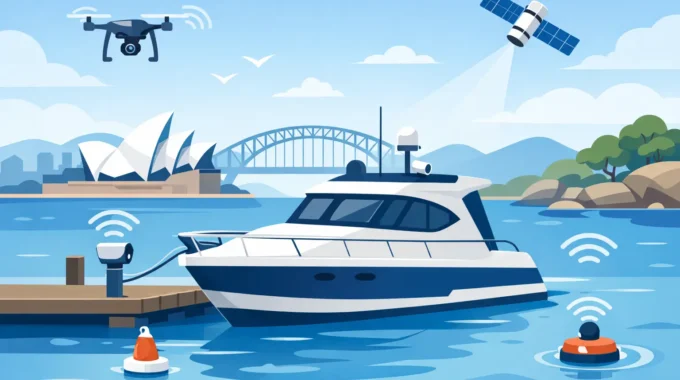
For larger cruisers, yachts, houseboats and commercial vessels, the sensible next step is remote monitoring. A system that reports high bilge water, pump operation, battery voltage, shore-power loss, smoke, intrusion, anchor drag and excessive movement gives owners situational awareness from anywhere. Camera images add crucial confirmation: is the boat still level, is the berth clear, and does the alarm need an immediate response?
Trek Transponder provides once-per-second vessel monitoring with direct alarms to up to five mobiles, helping owners act while an incident is still manageable rather than discovering it after the damage is done.
When an alarm arrives, act quickly
A bilge or power alarm should trigger a simple response: confirm the vessel’s condition, contact a nearby person or marina where appropriate, and get someone onboard promptly. Do not dismiss repeated pump alerts as a nuisance. Repetition is often the warning that separates a repairable leak from a sinking.
Your boat does not need a spectacular storm or a catastrophic hull breach to be at risk. It needs one small fault, enough time and nobody watching. Keep the water out, keep the pumps powered, and make sure the first person to know about trouble is you.
Related Posts