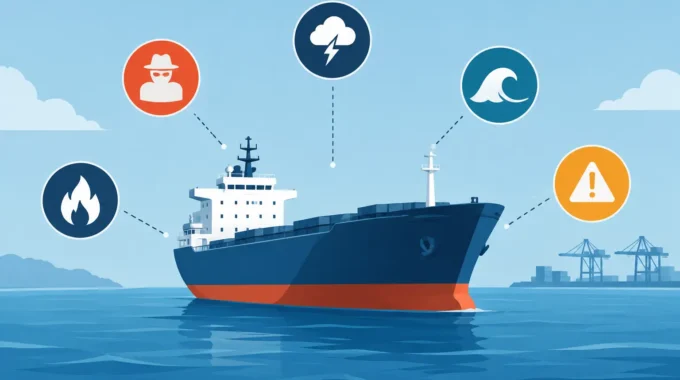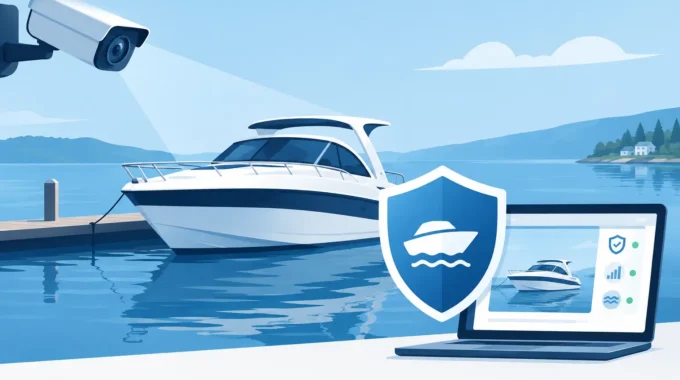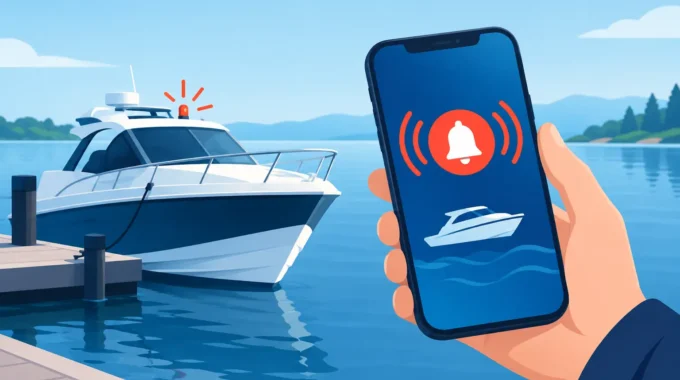
Five risks unattended vessels face can escalate fast. Learn what to monitor remotely to prevent flooding, fire, theft and costly damage at your berth.
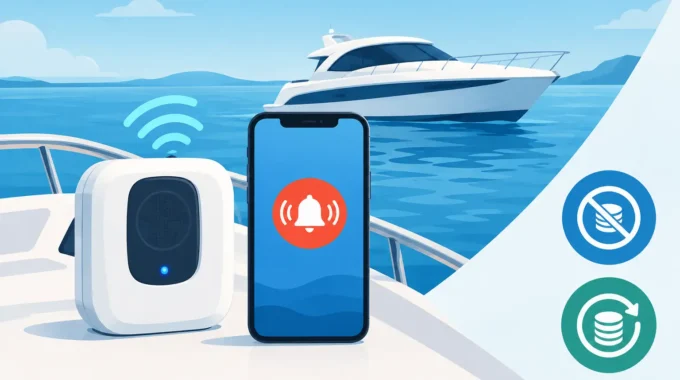
Do Marine Alarms Need Subscriptions on Your Boat?
A boat can take on water, lose shore power or break free long before anyone at the marina notices. That is why the question, do marine alarms need subscriptions, deserves a straight answer before you choose a system.
Not every marine alarm requires a subscription to detect a problem. But if you expect an alarm to reach your mobile while you are at home, at work or interstate, some form of communications service is usually required. The real issue is not whether there is an ongoing cost. It is whether that cost gives you fast, reliable warning before a small fault turns into a flooded, flat, stolen or damaged vessel.
Do Marine Alarms Need Subscriptions? The Short Answer
A basic onboard alarm can work without a subscription. It may sound a siren, flash a light or activate a relay when a sensor detects smoke, water, movement or low voltage. That can be useful when people are nearby. It is not much help when your yacht is locked up at its berth on a Tuesday night and the nearest person is several pontoons away.
Remote alarms generally need a communications path. For most Australian boat owners, that means a 4G SIM service that can send SMS alerts, deliver MMS camera images or connect to a monitoring app. A satellite-connected system may use a Starlink service instead, particularly where mobile coverage is unreliable or the vessel operates beyond the coast.
There can also be a platform or cloud fee, depending on the alarm supplier and how the system is designed. Some products bundle mobile data, app access and server costs into a subscription. Others separate the hardware from the SIM plan or let the owner arrange connectivity. Ask exactly what is included before you buy.
The right question is: what will still warn you when the boat is unattended, the fault is developing quickly and nobody is standing beside the control panel?
What an Ongoing Marine Alarm Cost Can Cover
A subscription is not automatically a bad deal, nor is subscription-free automatically cheaper. It depends on the service behind it. A very low-cost alarm that only sends an occasional notification may be adequate for a trailer boat at home. It is a different proposition for a cruiser left on a swing mooring through a summer storm.
An ongoing fee may cover mobile network access, SMS or MMS delivery, app data, remote server operation, device health checks and software updates. With satellite monitoring, the connectivity component is usually more significant because it supports operation where ordinary mobile service cannot.
For a remote monitoring system, those services make practical actions possible. You can receive a low-battery alarm before the battery bank is ruined. You can receive an image when an intrusion sensor activates, rather than driving to the marina based on a vague alert. You can see that shore power has failed and arrange help before refrigeration stops or bilge pumping capacity is compromised.
The value is in receiving useful information quickly enough to act. An alert received hours late, or an app that cannot connect when it matters, does not protect the vessel.
SMS, app and camera alerts use connectivity differently
SMS is often the most direct alert method. It reaches a mobile without requiring you to be logged into an app or watching a dashboard. For urgent events such as flooding, smoke, an intruder or a boat going adrift, an SMS sent to several nominated mobile numbers gives the best chance that somebody sees the warning and responds.
App monitoring adds another layer. It can show current vessel status, trend information and alarms in one place. This is useful for owners with multiple systems to watch, commercial operators and anyone who wants to check battery voltage, shore power or onboard conditions remotely.
Camera images require more data than a text alert. They are also extremely valuable. A motion or door alarm tells you something occurred. An HD image helps establish whether it was a person boarding the vessel, a cover blowing loose, a dock worker, or a false trigger caused by movement. That visual confirmation can prevent a wasted call-out while making a genuine break and enter easier to assess.
When You May Not Need a Subscription
There are situations where an ongoing service is unnecessary. A simple high-water alarm with a local buzzer can be sensible as a secondary warning device. A vessel stored in a secure shed, with someone checking it daily, may not need full remote monitoring. Likewise, an owner who is always aboard or within earshot of the marina may accept a local siren as part of their protection plan.
Those are exceptions, not a universal answer. A local-only alarm relies on someone hearing it, recognising what it means and being able to get aboard in time. At many marinas, boats are closed up, background noise is constant and neighbouring owners may be away for weeks.
A subscription may also be unnecessary if you already have an independently managed onboard internet service and the alarm can use it without relying on a supplier platform. Even then, consider what happens when shore power fails, a router locks up, a battery goes flat or the service itself drops out. The alarm needs to keep monitoring and communicating through the failures it is meant to report.
Match the Connection to the Way You Use the Boat
Mobile coverage is usually the practical choice for a vessel berthed in a metropolitan marina, regional harbour or coastal mooring with reliable 4G service. It supports low-power remote monitoring without leaving a high-draw onboard router running all the time. For many owners, a small ongoing mobile cost is a minor expense compared with one failed bilge pump, discharged battery bank or insurance claim.
Satellite connectivity changes the equation for vessels that travel widely, sit in remote locations or operate offshore. A Starlink-enabled marine monitoring setup can maintain contact beyond normal mobile range, but it comes with its own equipment and service considerations. It is best suited to owners who genuinely need global visibility, not simply because satellite sounds impressive.
For a large yacht, catamaran, fleet or heritage vessel, consider the number of monitoring points as well as the connection. One area may need bilge detection, another needs intrusion coverage, while refrigeration, shore power, battery voltage, fire and vessel movement all require their own inputs. A system that can be expanded with additional units is often a better fit than trying to force every risk through one basic alarm.
The Cost of No Alert Is Usually Higher
Boat owners sometimes focus on the subscription figure while overlooking the cost of an unnoticed incident. A shore-power failure can ruin batteries and refrigeration stock. A blocked bilge pump or failed float switch can leave a boat taking on water. Anchor drag, a parted mooring line or a vessel going adrift can lead to collision damage, recovery costs and difficult insurance conversations.
Then there are the less obvious failures. A slowly falling battery voltage can disable pumps, lights and communications. Excessive pitch and roll may indicate a vessel is in trouble at anchor. An intruder can cause damage well beyond the value of anything taken. Smoke or fire needs an immediate response, not a notification discovered after the weekend.
This is where once-per-second monitoring matters. Marine problems do not always wait for a convenient scheduled check-in. The faster a system detects a change and sends a clear warning, the greater the chance of stopping the damage at the source.
Trek Transponder systems are designed around that reality, with IP67-rated marine hardware, low current draw and direct alarms to up to five mobile numbers. The point is not to create more notifications. It is to put the right alarm, and where required a camera image, in front of someone who can make a decision.
Questions to Ask Before You Commit
Do not compare marine alarm subscriptions on price alone. Confirm whether the stated cost includes the SIM, SMS messages, MMS images, app access, remote monitoring and technical support. Ask whether you own the hardware if you cancel, whether alerts continue during a service outage, and whether you can nominate more than one contact.
Also ask how the system behaves during a power fault. A remote alarm should not become blind the moment shore power drops. Look for low-power operation, battery-backed monitoring and a clear warning when the vessel’s supply voltage is falling. If cameras are part of the plan, establish how images are triggered and whether you can request one when you receive an alert.
Finally, choose equipment made for the marine environment. Salt, vibration, heat, condensation and unreliable power expose weaknesses quickly. Installation should be planned around real risks on your vessel, not just whichever sensor is easiest to fit.
A subscription is worthwhile when it keeps an unattended boat visible and gives you enough warning to prevent a bad day becoming a total loss. Set up the alerts, test them before you leave the berth, and make sure the people receiving them know exactly who will act when the alarm arrives.
Related Posts