Five risks unattended vessels face can escalate fast. Learn what to monitor remotely to prevent flooding, fire, theft and costly damage at your berth.

Starlink Vessel Monitoring for Boats at Sea
A boat can flood, lose shore power or break free long before anyone at the marina notices. Starlink vessel monitoring gives owners a practical way to stay informed when their vessel is beyond ordinary mobile coverage – whether it is on a remote mooring, at anchor in a quiet bay or operating far from the coast.
For owners who leave a yacht, cruiser, houseboat or work vessel unattended, connectivity is not a luxury. It is the path an alarm takes to reach the people who can stop a small fault becoming a salvage job, insurance claim or total loss.
What Starlink vessel monitoring actually does
Starlink does not replace the sensors, alarm hardware or decision-making required to protect a boat. It provides the communications link that allows a properly installed vessel monitoring system to keep reporting when 4G coverage is weak, unavailable or unreliable.
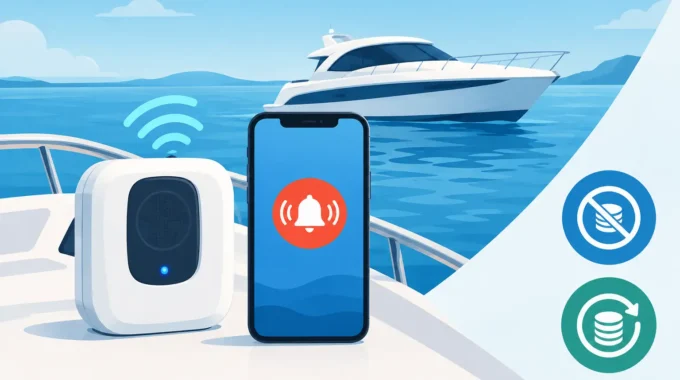
That distinction matters. A satellite connection cannot tell you that the bilge is rising, a battery is failing or the freezer has stopped cooling unless the vessel has sensors watching those conditions. The monitoring system detects the event first. Starlink carries the alarm, app update or camera image to you wherever your mobile has internet access.
For Australian boat owners, this is particularly useful outside metro marinas. Coastal cruising often means anchoring in places where mobile coverage drops out behind headlands, across islands or well offshore. A vessel may be safe one minute and dragging its anchor in a squall the next. If the system cannot communicate, the warning arrives too late to be useful.
The failures that do not wait for your next visit
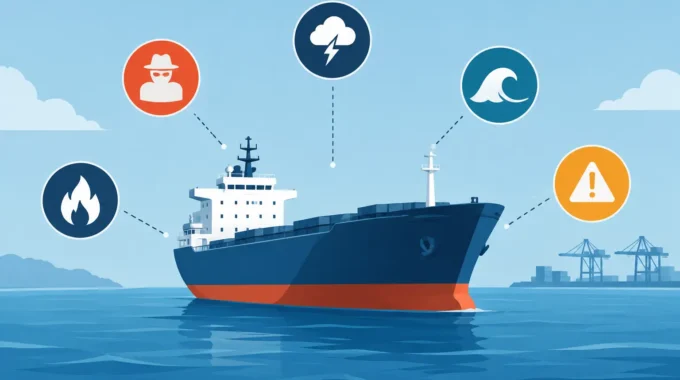
Unattended vessels are exposed to a short list of familiar hazards, but each has costly consequences. A failed shore-power supply can flatten batteries, shut down refrigeration and leave critical equipment without power. A blocked bilge pump or failed float switch can allow water to build unnoticed. A smoke event can turn into a fire. A loose mooring line or dragged anchor can put a boat into another vessel, a jetty or onto the rocks.
The damage is rarely limited to the original fault. A shore-power loss may cause refrigeration failure, battery depletion and spoiled provisions. A small water ingress issue may become a submerged engine, damaged wiring and a lengthy insurance assessment. A break and enter can become worse if thieves have time to work undisturbed.
This is why a serious system monitors more than position. It should be capable of watching battery voltage, bilge levels and pump activity, shore power, smoke and fire inputs, intrusion zones, anchor drag, movement, pitch and roll, refrigeration and other vessel-specific risks. The right sensor mix depends on how the boat is used and where it is kept.
A trailer boat stored at home may place security, battery condition and movement alarms first. A liveaboard cruiser on a swing mooring needs close attention to bilge activity, anchor or mooring movement, power and weather-driven motion. A commercial fleet may need repeatable alarm settings, multiple notification recipients and clear evidence of what occurred on each vessel.
Why satellite coverage changes the response time
A conventional 4G alarm system works well where mobile coverage is dependable. For many berths and coastal waterways, it remains a sensible and cost-effective option. Starlink becomes valuable when the vessel routinely travels beyond that footprint, spends long periods in remote locations or cannot afford a communications blind spot.
With satellite connectivity available, an owner can receive a warning while the vessel is anchored away from the marina, moving between remote ports or operating in areas where a normal mobile service is intermittent. The benefit is not simply knowing there is a problem. It is knowing early enough to call the skipper, marina manager, neighbour, contractor or emergency service that can act.
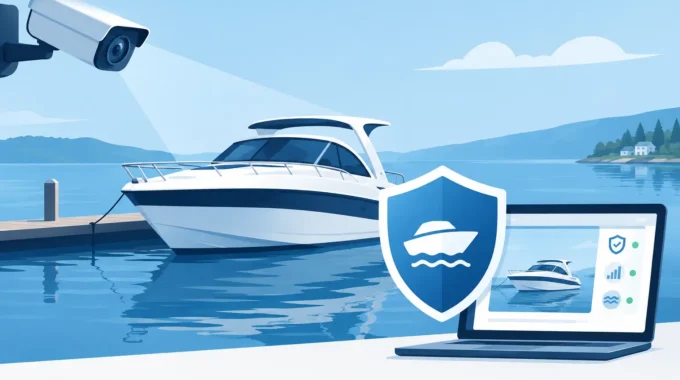
A good alarm message should be direct. It should identify the condition, the vessel and the time of the event. If a camera is fitted, an image triggered by an intrusion or user request can quickly establish whether a person is aboard, a hatch has been left open or a line has failed. That visual confirmation can prevent wasted call-outs, but it can also give you the evidence needed to respond decisively.
Monitoring must work when the boat is quiet
The most dangerous failures often occur while nobody is aboard. That is why low power draw matters. A monitoring system should not impose a heavy electrical burden on a vessel that may sit for weeks between visits, especially if shore power fails at the same time.
Marine hardware also needs to tolerate salt, vibration, moisture and heat. Household-grade equipment is not enough in an engine bay, lazarette, cockpit locker or exposed installation area. IP67-rated components, secure cabling and correct fusing are basic requirements, not optional extras.
Installation quality is just as important as the equipment itself. Sensors must be positioned where they can detect the relevant risk without producing nuisance alarms. A bilge sensor needs to identify an abnormal water level, not every splash. Motion and intrusion detection need sensible zones. Cameras need a useful view of companionways, decks, access points or machinery spaces rather than a blurred image of a bulkhead.
For larger yachts and catamarans, one monitoring unit may not cover every area effectively. Multiple units or additional sensors can be required to monitor separate hulls, engine rooms, accommodation areas, refrigeration spaces and external access points. Designing the system around the vessel is cheaper than retrofitting it after a preventable incident.
Alarm delivery should not rely on one person
An alarm is only useful if somebody receives it and knows what to do. Owners who cruise, work interstate or spend time overseas should not make themselves the sole point of failure. Set up notifications to reach trusted family members, crew, vessel managers or contractors as well as the owner.
Direct alerts to up to five mobile numbers create a practical response chain. One person may be driving, asleep or out of mobile range. Another may be at the marina and able to check the vessel within minutes. The best arrangement is agreed before an alarm occurs: who calls the marina, who has keys, who can board the vessel and when emergency services must be contacted.
Once-per-second monitoring is valuable here because fast-changing conditions do occur. A vessel moving unexpectedly, a sharp change in pitch and roll, or a sudden power failure requires prompt detection. The objective is not to bombard owners with messages. It is to identify genuine exceptions quickly and make them clear enough to act on.
Starlink has limits – plan for them
Satellite connectivity improves coverage, but it is not magic. The terminal requires power, a clear enough view of the sky and a suitable service arrangement for the way the vessel operates. Physical obstructions, poor installation location, network interruptions and vessel power loss can affect communications.
That is why the alarm design should include local protection as well as remote notification. A siren, strobe or relay output can warn people nearby or activate compatible equipment even if the internet connection is temporarily unavailable. A properly configured system can also identify power issues early, giving the owner a chance to intervene before the communications equipment is affected.
It also pays to test the full chain. Trigger a non-critical sensor, confirm that the right people receive the alert, check the camera image and make sure everyone understands the message. Test after installation, after changing mobile numbers, before extended cruising and after any major electrical work.
Choose monitoring for the way you operate
The right setup depends on where the boat lives when you are not aboard. A marina-based vessel with excellent 4G coverage may only need satellite backup if it regularly cruises remote routes. A yacht that spends weeks away from shore-based infrastructure may justify Starlink as a core part of its communications plan. A heritage vessel, hire fleet or commercial operation may need satellite connectivity because downtime, theft or delayed response affects more than one owner.
Look for marine-specific equipment that can monitor the risks that matter on your vessel, operate efficiently from onboard power and provide direct, actionable alarms. Australian electrical compliance also matters, particularly where the system interfaces with shore power or fixed electrical installations. Equipment and installation should be appropriate for the marine environment and aligned with AS/NZS 3004.2:2014 requirements where applicable.
Trek Transponder combines Australian-made vessel alarm hardware, real-time monitoring, HD camera evidence and Starlink-enabled communications for owners who need oversight beyond the mobile network. Whether you fit the system through a preferred installer or plan a tailored setup for a larger vessel, make sure every alarm has a clear response plan.
The time to find out whether your boat can report a flooding bilge, dead batteries or an anchor-drag event is not after a neighbour rings with bad news. Set the monitoring up while the vessel is safe, test it properly, and leave the dock knowing you can still hear when your boat needs you.
Related Posts