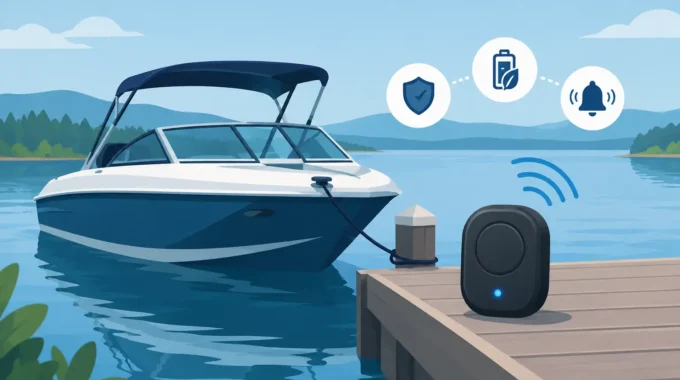
A low power boat alarm system protects unattended vessels from flooding, fire, theft and power loss without draining the batteries it is meant to protect.

Remote Monitoring for Commercial Vessels
A commercial vessel can take on water, lose shore power or break free from its berth long before anyone on the dock notices. By the time a crew member arrives, a failed bilge pump, flat battery bank or open hatch may already have become an expensive recovery, insurance and operational problem. Remote monitoring for commercial vessels gives operators immediate warning while there is still time to act.
For charter fleets, workboats, heritage vessels, superyachts and hire operations, unattended time is not inactive time. Refrigeration is running, bilges are collecting water, batteries are charging, weather is moving through and unauthorised people may be testing access points. A proper marine monitoring system keeps watch on the risks that do the most damage when nobody is aboard.
Why commercial vessels need active oversight
The cost of an incident is rarely limited to a replacement part. A shore-power failure can flatten batteries, stop refrigeration or leave a vessel without a working bilge pump. A small water ingress can become a flooded engine bay. An anchor-drag event can end with hull damage, a grounding or a collision with another vessel.
Commercial operators also have a duty to protect schedules, customers, equipment and reputation. If a hire boat cannot leave the marina because its batteries have failed, the loss is not just a battery replacement. It can mean cancelled bookings, staff time, emergency call-outs and difficult conversations with customers.
Remote monitoring changes the response window. Instead of learning about a failure at the next inspection, the designated people receive an alarm as the condition occurs. That allows a nearby crew member, marina contact or contractor to investigate before the situation escalates.
What remote monitoring for commercial vessels should detect
A monitoring system is only useful if it watches the conditions that matter to your operation. The right sensor mix depends on vessel type, operating area and whether the boat is berthed, on a mooring, at anchor or stored ashore. But several risks are common across most commercial vessels.
Flooding and bilge-pump faults
Water ingress is the risk nobody can afford to discover late. High bilge-water alarms warn that water has reached an unsafe level. Bilge-pump monitoring adds another layer by identifying unusual pump activity or a pump that should be operating but is not.
A high-water sensor alone may not explain the cause, but it provides the alert needed to get eyes on the vessel. A camera image triggered by the alarm can help an operator assess whether water is visible, whether a hatch has been left open or whether a dock line or nearby condition needs attention.
Shore power, batteries and refrigeration
Shore-power loss is often treated as an inconvenience until it causes a chain reaction. Battery chargers stop, refrigeration temperatures rise and critical systems begin drawing from onboard batteries. If the outage lasts overnight or over a weekend, a vessel can be left with depleted batteries and spoiled stock or provisions.
Voltage monitoring should report battery condition early enough for action, not merely announce that the bank is already flat. On vessels carrying refrigerated supplies, bait, catering stock or temperature-sensitive equipment, refrigeration alarms can prevent waste and operational interruption.
Fire, smoke and unauthorised entry
Fire and smoke detection matters most when there is nobody aboard to smell trouble or isolate power. An alarm sent directly to responsible mobiles gives the operator a chance to contact emergency services and marina management without waiting for a routine patrol.
Security monitoring should cover doors, hatches and movement in protected areas. A siren or light can deter an intruder, while HD marine camera images give the recipient visual confirmation of what has triggered the alarm. This is particularly useful when a vessel is kept in a remote berth, on a swing mooring or at a yard after hours.
Vessel movement, anchor drag and excessive heel
A vessel going adrift can cause damage well beyond its own hull. Position and movement alerts allow an operator to respond when a boat leaves its expected area. For vessels at anchor, anchor-drag alerts are especially valuable during changing wind or poor weather.
Pitch and roll monitoring can also reveal conditions that deserve immediate attention. Excessive movement may indicate weather exposure, a failed mooring arrangement or an abnormal condition alongside. It is not a substitute for sound seamanship or regular physical inspections, but it can provide the warning that prompts a timely check.
Alarm delivery must be direct and actionable
An alarm buried in an email inbox is not an alarm system. Commercial operators need alerts sent straight to the people who can make a decision, including after hours. SMS and app notifications are practical because they reach crew and managers wherever they are.
The best arrangement is usually to nominate more than one contact. A master, operations manager, maintenance lead and local contractor may each need to receive the same critical alarm. Systems capable of sending alarms to up to five mobile numbers reduce the risk of relying on one person who is asleep, offshore, on leave or simply out of coverage.
Alarm settings should reflect the seriousness of the event. A high bilge alarm, smoke detection or vessel-drift event deserves an immediate escalation path. Lower-priority notifications, such as a gradual battery-voltage change, may be configured to provide early warning without creating unnecessary call-outs.
Too many poorly configured alarms will be ignored. Too few alerts leave the vessel exposed. The goal is not to receive constant notifications. It is to receive a clear warning when a known risk needs someone to act.
Cameras turn an alarm into useful information
A sensor tells you something has changed. A camera can show you what has happened. That difference matters when the closest crew member is an hour away.
For example, an intrusion alarm with an image may show whether someone is on board, whether a door has been forced or whether a loose cover has moved in high wind. A bilge or movement alarm may show conditions on deck, the angle of the vessel or whether a line has come loose.
Remote camera access does not eliminate the need for an inspection after a serious alarm. It does help operators prioritise the response, brief marina staff accurately and avoid sending someone out for every minor trigger. Camera placement is critical: cover entry points, machinery spaces, cockpit areas and any location that will help confirm the vessel’s condition.
Connectivity and power draw are practical decisions
A monitoring system must remain operational when it is needed most. That means considering coverage, onboard power use and installation quality before choosing equipment.
4G-based systems suit many marina and coastal applications, providing SMS, MMS and app-based communication without relying on a nearby Wi-Fi network. For vessels working or cruising beyond normal mobile coverage, a Starlink-enabled option can provide global connectivity. The right choice depends on where the vessel spends its unattended periods, not just where it is normally operated.
Low current draw is equally important. A monitor that drains the battery it is meant to protect creates a new problem. Marine-specific hardware should be designed for continuous operation and installed with suitable fusing, cable routing and protection from moisture and vibration.
Commercial operators should also look for IP67-rated components where exposure demands it, along with equipment designed to meet applicable marine electrical requirements. Compliance with AS/NZS 3004.2:2014 is a meaningful consideration for Australian installations, particularly where 240V shore power and onboard electrical systems are involved.
Installation should match the vessel, not a generic kit
A small workboat may need a compact package focused on bilge, battery voltage, intrusion and position. A large catamaran, passenger vessel or superyacht may need multiple monitoring units, several cameras and separate alarm zones across accommodation, machinery and storage areas.
Start with a risk review. Identify what can flood, what must remain powered, where access can be gained, where cameras will provide the best evidence and who will respond to each type of alarm. Then test the system after installation. Trigger each sensor, confirm every nominated mobile receives the correct notification and ensure camera images are useful in day and night conditions.
Trek Transponder systems are built for this real-world task, combining once-per-second monitoring, direct alarms, marine cameras and low-power operation in Australian-made equipment. Whether installed by a capable owner or a preferred marine installer, the system should be configured around the vessel’s actual failure points.
A commercial vessel does not need another complicated dashboard. It needs a clear warning before a manageable fault becomes a flooded, stolen, powerless or damaged boat. Set the alarms, nominate the people who will respond and test them before the next unattended night at the berth.
Related Posts