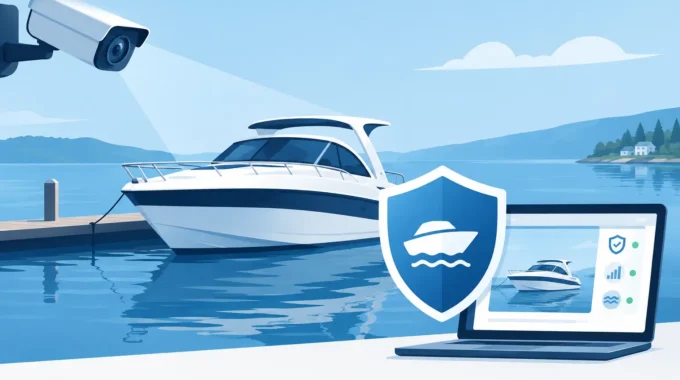
Boat insurance monitoring helps expose flood, fire, theft and power risks early, giving owners evidence and time to act before a fault becomes a claim.
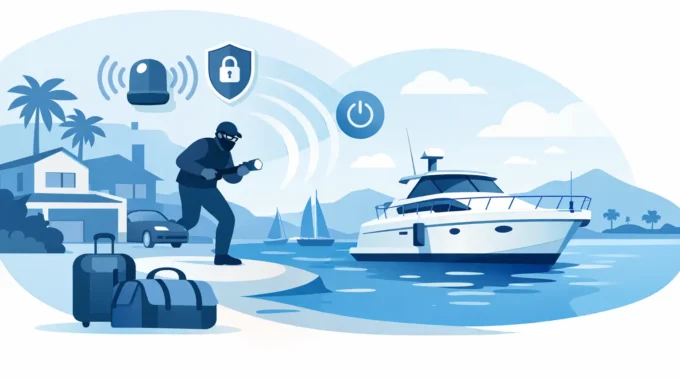
Boat Alarm Systems That Protect You Ashore
A boat can get into serious trouble between the time you lock the cabin and the next time you return. A failed shore-power lead can flatten batteries. A sticking bilge pump can turn a minor leak into a flooded engine bay. A loose mooring, dragged anchor or forced hatch can leave you facing an insurance claim instead of a weekend on the water. Boat alarm systems give you the warning while there is still time to act.
For vessels left on a marina berth, swing mooring, trailer, hardstand or remote anchorage, an alarm should do more than make noise. It needs to detect the problem, tell the right people immediately and provide enough information for a sensible response. That is the difference between checking a notification on your mobile and racing to the boat blindly.
What a Boat Alarm System Must Watch
The risks are rarely limited to theft. In fact, water and power problems are often the events that cause the biggest losses because they can develop quietly for hours or days. A proper marine monitoring system watches the conditions that can damage the vessel while nobody is aboard.
Bilge high-water alarms are the first line of defence against flooding. They should identify rising water before it reaches machinery, batteries, stored gear or accommodation spaces. Monitoring the bilge pump matters too. If a pump runs longer than expected, cycles too often or fails to operate when needed, it may point to a leak, blocked outlet, failed float switch or exhausted battery bank.
Shore-power loss is another common warning worth taking seriously. A disconnected lead, marina outage or tripped breaker can stop battery charging and refrigeration, particularly when the boat is left for weeks. If batteries discharge deeply, the cost can extend well beyond replacement batteries. Pumps, alarms, lighting and starting systems may no longer be available when they are needed.
Fire and smoke detection, intrusion sensors and door or hatch contacts cover the immediate threats. Temperature monitoring adds another practical layer for refrigerated lockers, freezers and machinery spaces. For vessels at anchor or on a mooring, position, anchor drag, adrift alerts, pitch and roll monitoring can reveal trouble that no cabin siren will solve.
The right combination depends on the boat. A dayboat stored on a trailer may prioritise intrusion, battery condition and movement. A liveaboard yacht needs bilge, smoke, shore power, refrigeration and anchor alerts. A charter fleet may require each vessel to report to nominated managers, with clear evidence of what happened and when.
Fast Alerts Matter More Than a Loud Siren
A siren can deter an intruder when someone is nearby. It does very little for a boat sitting unattended at the far end of a marina or on a mooring overnight. Remote notification is what turns detection into action.
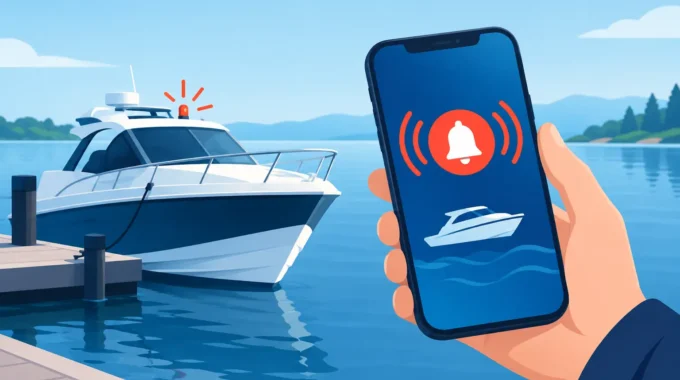
Look for a system that sends alarms directly to several nominated mobile numbers by 4G SMS and MMS, as well as through an app where appropriate. Sending to up to five contacts is sensible for shared vessels, commercial operations and owners who travel. If one person is out of range, on a flight or simply misses the message, another can call the marina, contact a neighbour or attend the vessel.
Speed is not a marketing detail. Monitoring critical inputs once per second allows an alarm to be raised when the condition occurs, rather than after a long reporting interval. That matters when water is rising, a vessel has broken free or shore power has dropped during hot weather.
The best alert is also one you can verify. An HD marine camera that sends an image when an alarm triggers can show whether a hatch is open, whether the bilge is visibly wet or whether there is someone aboard. The ability to request images remotely is equally useful before deciding whether to drive to the marina or ask a trusted person to investigate. Cameras do not replace physical attendance in an emergency, but they remove a lot of guesswork.
Choose Marine Hardware, Not a Home Alarm in a Box
Marine environments punish poor electrical equipment. Salt spray, condensation, vibration, heat and long periods without attention are normal operating conditions, not unusual exceptions. Hardware should be built for them.
An IP67-rated enclosure is designed to resist dust and temporary immersion. It is a practical starting point for equipment installed in lockers, engine spaces or other locations where dampness is unavoidable. Low current draw is just as important. A monitoring system that drains the very batteries it is meant to protect is no protection at all.
Installation quality matters as much as the device itself. Wiring must be properly fused, protected from chafe and sized for the load. Sensors need to be positioned where they will detect a genuine problem early without creating nuisance alarms. A bilge float placed too high provides warning too late; one installed where wash water constantly reaches it may create false alerts that owners soon learn to ignore.
For electrical work on vessels, compliance with AS/NZS 3004.2:2014 is a meaningful consideration. It supports safe low-voltage electrical installations and should not be treated as an optional extra. If you are not confident with marine electrical systems, use an experienced installer. It is cheaper than repairing damage caused by an incorrectly protected circuit or a poorly located sensor.
Plan for the way your vessel is actually used
Before choosing a system, walk through the boat and identify the failures that would hurt most if they happened on a Tuesday night when you are two hours away. Start with the battery banks, shore-power connection, bilge areas, pumps, hatches, engine compartment and refrigeration. Then consider the vessel’s location.
A marina berth may need shore-power and break-in coverage. A boat on a swing mooring needs position and adrift monitoring. A yacht spending time beyond normal mobile coverage may require a Starlink-enabled monitoring option for global connectivity. Coverage is not a small detail: an alert system cannot help if it cannot get the alarm to you.
Larger boats and catamarans may need more than one monitoring unit. Separate hulls, machinery spaces, accommodation zones and external access points can create blind spots if everything is forced through one sensor location. Expandability is valuable when the boat changes, whether that means adding a freezer, fitting more cameras or taking responsibility for another vessel in a fleet.
Set Up Alarms People Can Act On
An alarm is only useful if somebody knows what to do next. Assign each alert a response before the first incident occurs. For a high-bilge alarm, that may be calling the marina, asking a nearby skipper to check the boat, then attending immediately. For shore-power loss, it may mean confirming whether the marina has an outage and checking battery voltage or refrigeration status.
Avoid setting every notification to the highest urgency. A low-priority periodic status report is helpful, but it should not look identical to smoke detected or a vessel moving outside its permitted area. Clear names for sensors and zones make messages easier to understand under pressure. “Port engine bilge high” is actionable. “Input 4 active” is not.
Test every sensor after installation and at regular intervals. Lift the bilge float, isolate shore power, open a protected hatch and confirm that every nominated mobile receives the correct alert. Request a camera image. Check the app. Test again after changing a SIM, replacing batteries, moving marinas or altering the vessel’s electrical system.
Trek Transponder systems are built around this practical requirement: continuous once-per-second monitoring, direct SMS/MMS alarms, app oversight and image confirmation from HD marine cameras, all in low-draw, IP67-rated marine hardware made in Australia. The point is not to fill a screen with data. It is to make a developing problem visible before it becomes a wrecked battery bank, spoiled stores, theft loss or submerged boat.
The Cost of Waiting Is Usually Higher
Some owners put off remote monitoring because the boat is insured, the marina has security or nothing has gone wrong so far. Insurance can help with a financial claim, but it cannot recover a ruined holiday, replace irreplaceable equipment without delay or remove the stress of a late-night call saying your vessel is taking on water. Marina staff also cannot watch every bilge, lead and hatch on every boat around the clock.
A monitoring system will not stop every failure. It cannot repair a split hose or re-secure a line by itself. What it does is reduce the time between fault and response, which is often the deciding factor in marine damage. A small leak identified early may need a hose clamp. The same leak left for days can need electrical repairs, engine work, interior replacement and a lengthy insurance process.
Set your boat up so that silence means normal operation, and a message means there is a specific job to do. When your vessel is unattended, that warning may be the most valuable piece of equipment aboard.
Related Posts