Learn how to respond to onboard power outage safely, protect batteries and bilges, and receive fast alerts before a silent failure becomes vessel damage.
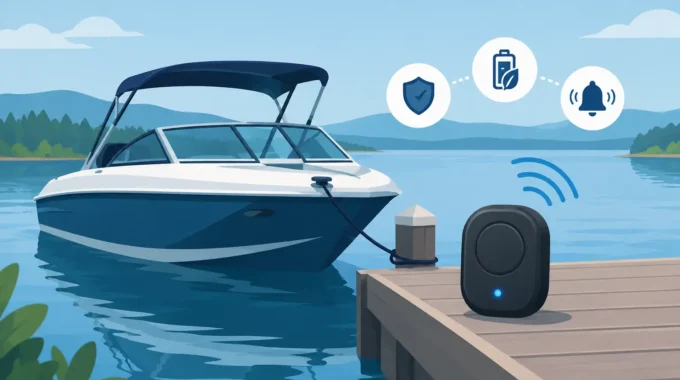
Choosing a Low Power Boat Alarm System
The worst time to find out your boat has a battery problem, failed bilge pump or open hatch is when you arrive at the marina days later. A low power boat alarm system keeps watch while the vessel is unattended, without becoming another constant drain on the battery bank it is there to protect.
For yacht, cruiser, houseboat and commercial operators, this is not a convenience accessory. A vessel left on a berth, mooring, anchor or hardstand can develop a minor fault quickly, then suffer major damage before anyone notices. The right monitoring system gives you a chance to act while there is still something to save.
Why low power draw matters on an unattended boat
Every permanently fitted device consumes power. On a boat connected to reliable shore power, that may not seem significant. But shore power can trip, disconnect, fail at the pedestal or be switched off during works. Solar output changes with weather and shade. Batteries also age, sulphate and lose capacity without warning.
A security or monitoring device that draws excessive current creates a poor trade-off. It may provide protection for one risk while quietly increasing the chance of a flat house battery, disabled bilge pump or failed refrigeration. A proper low power boat alarm system is designed to monitor continuously while using very little power from the vessel’s DC supply.
That matters most when the boat is unattended for extended periods. Owners often leave a vessel for weeks between trips, particularly after a busy season or when travelling interstate. During that time, a low-current monitoring system can remain active through an outage, report the problem and preserve battery capacity for essential loads.
Low power alone is not enough. The system must still detect meaningful faults promptly, deliver an alarm reliably and continue operating in a wet, corrosive marine environment.
The risks your alarm system should detect
A boat alarm should be configured around the failures that can cost you the vessel, not just around intruder detection. Theft matters, but flooding, fire and loss of charging are often the risks that turn into insurance claims, expensive salvage work and months out of the water.
Battery and shore-power failure
A shore-power loss alert tells you when the charger is no longer supporting the battery bank. That could be a tripped breaker, a loose lead, marina supply issue or onboard charger fault. Battery voltage monitoring then shows whether the bank is holding charge or falling towards a level where pumps, alarms and other critical equipment may stop working.
Set sensible thresholds for your battery type and vessel load. A low-voltage warning should arrive early enough to investigate, while a critically low alarm should demand immediate action. If you have lithium batteries, make sure the monitoring arrangement reflects the battery management system and charging profile rather than relying on a generic voltage assumption.
Bilge water and pump problems
Water ingress does not always begin with a dramatic leak. A dripping stern gland, failed hose clamp, rainwater entry or blocked cockpit drain can progressively fill a bilge. By the time a neighbouring boat owner notices the list, damage may already be extensive.
Use high-water sensing alongside bilge-pump monitoring where possible. A high-water alarm warns that the water level has become abnormal. Pump activity monitoring can identify a pump that is running too often, which may indicate water ingress, or a pump that should be running but is not. These are different events and both matter.
Fire, smoke and gas-related hazards
Smoke and fire detection is particularly valuable when boats are packed closely together in a marina. Electrical faults, battery chargers, refrigeration equipment and unattended appliances can all become ignition sources. An alarm that reaches your mobile quickly gives you the opportunity to contact marina staff, emergency services or a nearby trusted person before a small incident becomes a berth-wide disaster.
Select sensors suited to marine conditions and position them with care. A detector placed too near cooking fumes or engine-space contaminants may create nuisance alarms, while a detector positioned poorly may detect smoke too late. A professional installer can help tailor coverage to the vessel layout.
Intrusion and unauthorised movement
Door, hatch and motion sensors remain essential for security. A visible alarm response, including a siren or lights where appropriate, can deter opportunistic entry. Remote alerts matter just as much because an intruder may be gone long before marina patrols make their rounds.
For vessels on moorings or anchor, movement monitoring provides another layer of protection. Alerts for anchor drag, excessive pitch and roll, or a boat going adrift can give the owner critical warning in changing weather. The useful question is not whether a boat moves – all boats do – but whether its movement has exceeded the normal pattern for its location and conditions.
What reliable monitoring looks like
A low-current system should not mean slow monitoring. Fast detection is what separates a useful warning from an alert that arrives after the damage is done. Look for a marine-specific system that checks key inputs frequently, rather than sampling intermittently and hoping the event lasts long enough to be recorded.
Trek Transponder systems monitor once per second and can send direct SMS or MMS alarms to up to five mobile numbers. That means the owner, skipper, marina contact and family member can all receive a warning at the same time. It reduces the risk of one unavailable person becoming a single point of failure.
Camera confirmation is equally valuable. An alarm notification tells you that a sensor has changed state. An HD image can tell you whether there is standing water, an open companionway, a person aboard or a boat lying at an unusual angle. The ability to request images remotely can save an unnecessary late-night drive to the marina, while still making it clear when an immediate response is needed.
For boats operating beyond dependable mobile coverage, connectivity needs extra thought. A 4G alarm system will suit many marina and coastal locations, but it depends on local reception. Owners heading offshore, maintaining a vessel in a remote location or managing long-range operations may need a Starlink-enabled configuration for wider coverage.
Choose hardware built for the marine environment
A domestic security product is rarely a sound substitute for marine monitoring equipment. Boats are exposed to vibration, salt spray, humidity, heat, condensation and intermittent power. Hardware needs protection from water and dust, secure wiring, appropriate fusing and a design that copes with the realities of a moving vessel.
IP67-rated alarm hardware is a practical benchmark for equipment exposed to harsh conditions. It indicates a level of protection against dust and temporary immersion, but it does not remove the need for correct installation. Mounting position, cable entries, sensor placement and sealed connections all affect long-term reliability.
Electrical compliance also matters. For vessels requiring onboard electrical work, choose equipment and installation practices aligned with AS/NZS 3004.2:2014. This is not paperwork for its own sake. Correct wiring, circuit protection and component selection reduce the chance that an alarm installation creates the very fault it was intended to detect.
Configure alarms so people act on them
Too many nuisance alerts train owners to ignore the next notification. Too few alerts leave dangerous failures undetected. The answer is not to disable alarms – it is to set them up around the vessel’s normal operating behaviour.
Consider who receives each type of alert and what they can realistically do. A low battery warning may go to the owner and vessel manager. A high-water or fire alarm may need to reach several people immediately, including someone local who can gain access. Keep contact numbers current, test delivery after any mobile-number change and make sure at least one person knows where the keys are kept.
Large vessels and catamarans may require more than one monitoring unit or sensor zone. Separate hulls, engine spaces, accommodation areas and machinery compartments can have different risks. Treat the system as part of the vessel’s safety plan, not a single box that solves every problem.
Test before you need it
After installation, deliberately test every input. Simulate shore-power loss, trigger hatch sensors, confirm camera images arrive and verify that each nominated mobile receives the correct alarm. Check whether the audible alarm, lights or relay-controlled equipment operates as intended.
Repeat basic tests periodically, particularly after electrical work, battery replacement, marina changes or a long period away from the boat. Sensors, SIM services, wiring connections and batteries can all change over time. A five-minute check at the berth is far better than discovering a failed alert after a storm.
Your vessel does not need to become another worry waiting at the marina. Fit monitoring that draws little power, reports real risks quickly and gives you evidence to make the right call. When the alarm arrives, you should be deciding what action to take – not wondering whether the system was watching at all.
Related Posts