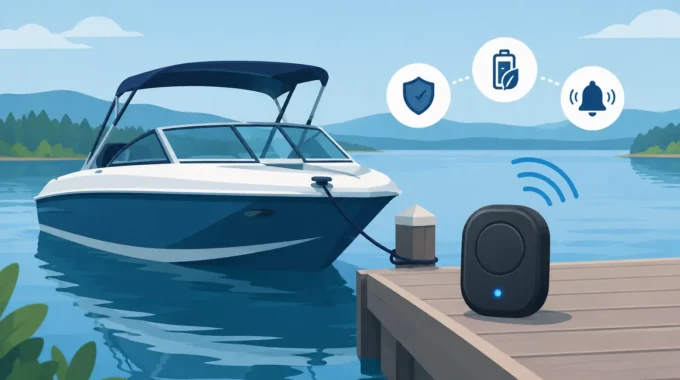
Fire alarms give boat owners early warning of smoke and heat, so you can act before a small fault becomes a destructive vessel fire when unattended at sea.
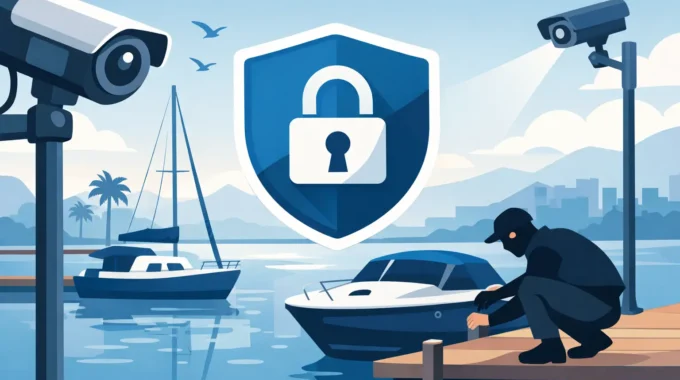
How to Protect Boats From Theft at the Marina
A boat left quietly at a marina can look like an easy opportunity. A thief may be after electronics, fishing gear, tenders, outboards or tools. In worse cases, they force entry, damage wiring, disable batteries or take the vessel itself. To protect boats from theft, you need more than a good lock on the companionway. You need visible deterrence, physical barriers and immediate warning when somebody comes aboard.
For owners who leave a yacht, cruiser, houseboat or commercial vessel unattended for days or weeks, the real danger is delay. By the time a neighbour notices an open hatch or the marina calls, the offender and the evidence may be gone. A layered security plan gives you the chance to act while an incident is still unfolding.
Why boats are a target when nobody is aboard
Marinas, moorings and boat storage yards offer access to valuable equipment with long periods of low supervision. Even in a gated marina, offenders may tailgate through access points, arrive by water, or simply look like another boatie moving around after dark.
Electronics are a frequent target because chartplotters, radios, sounders and batteries can be removed and sold. Outboards, tenders, rods and deck gear are also attractive. But theft is not always neat. A forced locker, smashed portlight or cut cable can leave a vessel exposed to rain, water ingress and electrical faults long after the intruder has left.
Your insurer may require reasonable security measures, but insurance is not a recovery plan. A claim can mean excess payments, missed trips, difficult repairs and the hassle of proving what was aboard. The better outcome is stopping access early or knowing about it immediately.
Protect boats from theft with layered security
No single device makes a vessel theft-proof. A determined offender may defeat one lock or ignore one sign. The aim is to make entry difficult, noisy, visible and risky, then ensure you receive an alarm before the situation turns into a major loss.
Start with physical delay
Secure the obvious entry points first. Companionway doors, cabin hatches, deck lockers, lazarettes and engine compartments should have marine-grade locks or internal locking arrangements that cannot simply be lifted, prised or unscrewed from outside.
Outboards need purpose-built locking hardware, particularly portable units that can disappear in minutes. Lock tenders to the vessel and, where practical, secure the tender motor separately. Remove portable valuables when the boat will be unattended for an extended period. That includes handheld electronics, fishing tackle, tools and paperwork containing personal details.
For trailer boats, fit a hitch lock and wheel clamp, and avoid leaving the trailer in an easily accessible location. If the boat is stored at home, consider lighting, a locked gate and a camera covering the driveway. A cover alone is not security. In some cases it conceals the vessel from casual attention, but it can also give an offender time to work out of sight.
Make the vessel a poor prospect
Visible warning signs, exterior cameras, alarm decals and a clearly mounted siren can discourage opportunistic theft. The goal is not to advertise every item onboard. It is to make the risk obvious before someone starts forcing a hatch.
Good lighting matters, but it depends on where the boat is berthed. Motion-activated lighting can draw attention at a private jetty or storage area, while a marina berth may already have lighting rules and nearby vessels to consider. Keep curtains and covers arranged so expensive equipment is not on display from the dock.
Record serial numbers, photograph major equipment and keep an up-to-date inventory away from the boat. Marking valuable gear with an owner identifier can also make it harder to resell. These measures will not stop a break-in, but they make reporting, recovery and insurance documentation far more credible.
Fit an alarm that reaches you, not just the marina
A local siren may scare off an intruder, but it is not enough if you are hours away or the berth is empty. The strongest protection is an alarm that detects an unauthorised entry and sends the warning directly to the people who can respond.
A marine-specific remote alarm can monitor cabin movement, hatch or door openings and power interruption, then send SMS or app alerts to nominated mobiles. Configure more than one contact. If you are offshore, travelling or asleep, a family member, marina manager or trusted neighbour may be able to check the vessel or call security.
Trek Transponder systems can send direct alarms to up to five mobile numbers and trigger HD camera images when an alarm occurs or when you request them. That visual confirmation changes the response. Rather than wondering whether a sensor was tripped by movement or a loose fitting, you can see whether someone is on deck, whether a hatch is open, or whether conditions are normal.
Choose equipment designed for the marine environment. IP67-rated hardware, low current draw and correct installation are not minor details on a boat that may sit unattended through heat, rain, salt spray and long periods on battery power. Electrical work should also suit the vessel and comply with applicable marine requirements, including AS/NZS 3004.2:2014 where relevant.
Set alarms around real theft scenarios
An alarm system is only useful when it is configured for how your vessel is used. If every alert is a false alarm, people stop responding. If notifications are too limited, a real intrusion can be missed.
Set intrusion monitoring to protect the cabin and valuable storage areas when the vessel is unattended. Use door, hatch or locker contacts where they suit the construction. Consider camera placement carefully: one camera might cover the cockpit and boarding point, while another covers the cabin entry or electronics area. The best position is not always the highest one. It needs a useful view, reliable mounting and protection from glare at night.
The theft response should also account for related risks. An offender who isolates shore power, switches off batteries or tampers with bilge pumps can create a second emergency. Remote monitoring for shore-power loss, battery voltage, bilge activity, smoke, flooding and vessel movement gives you a wider warning net. A stolen item is costly. A break-in followed by a flat battery bank, flooded bilge or drifting vessel is much worse.
For larger yachts, catamarans and commercial vessels, one sensor location may not cover the whole boat. Separate monitoring zones or multiple units can be justified where cabins, machinery spaces, deck access and refrigerated stores need individual oversight. This is a practical decision based on vessel layout, not a one-size-fits-all package.
Have a response plan before the alarm sounds
When an intrusion alert arrives, speed matters. Decide in advance who will attend, who can authorise marina security, and who will contact police if there is clear evidence of a break-in. Keep the berth number, marina office contact and vessel details readily available on each nominated contact’s mobile.
Do not confront an intruder alone. If camera images show a person onboard, report the incident and let marina security or police handle it. Remote cameras are valuable because they can provide a time-stamped record of activity, but do not rely on footage alone. Preserve images, note alert times and avoid disturbing the scene unnecessarily after an offence.
Check your system regularly. Test alarm notifications, camera images, backup power and sensor operation after installation and before leaving the boat for a trip away. Review who receives alerts when crew, berth holders or phone numbers change. A security system with an expired SIM, a flat backup battery or alerts sent to an old mobile is not protection.
Security habits that keep working
The most effective boat security is routine, not a single purchase. Before leaving the vessel, lock access points, remove portable valuables, confirm shore power and battery status, stow loose gear, and arm the monitoring system. It takes minutes and can prevent a very expensive call from the marina.
If your boat is unattended for extended periods, arrange regular physical checks as well as remote oversight. Cameras and alarms tell you what is happening now; a trusted person can spot wear, tampering or berth issues that need hands-on attention. Treat every unexpected alert as worth checking. The right response to a suspicious notification is not panic – it is prompt, informed action while there is still time to protect your vessel.
Related Posts